Outside In Print weekly sheet
Bob's Almanack
A weekly note from Robert V. Ussley with new essays, cartoons, and brief notes from Outside In Print.
Vacuum the house everyday if you have a pet that sheds.
New from Outside In Print
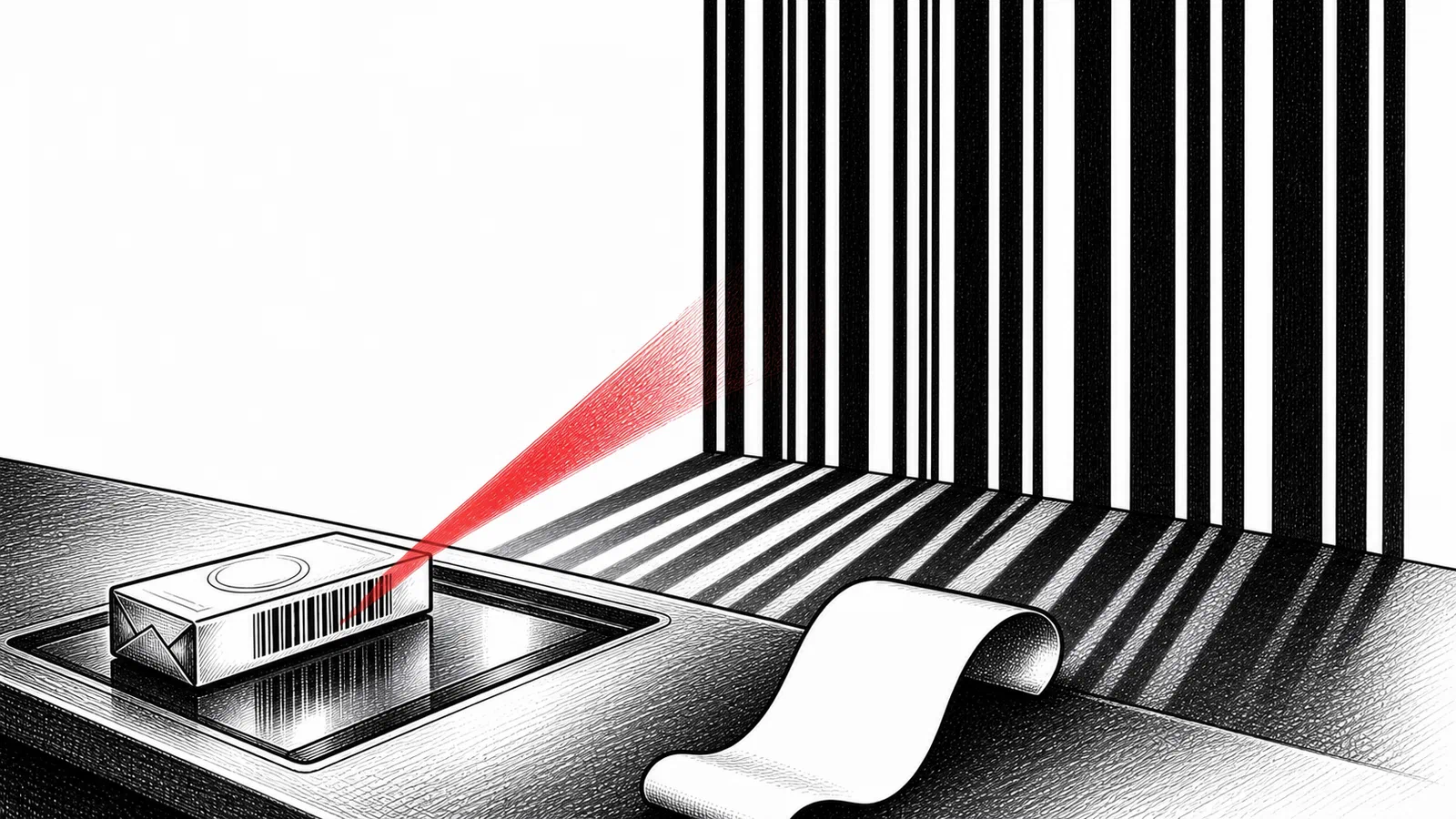
The Bars on the Gum
The UPC barcode made a pack of gum readable by a shared retail system, moving price, stock, labor, and trust into a file the shopper sees only at checkout.
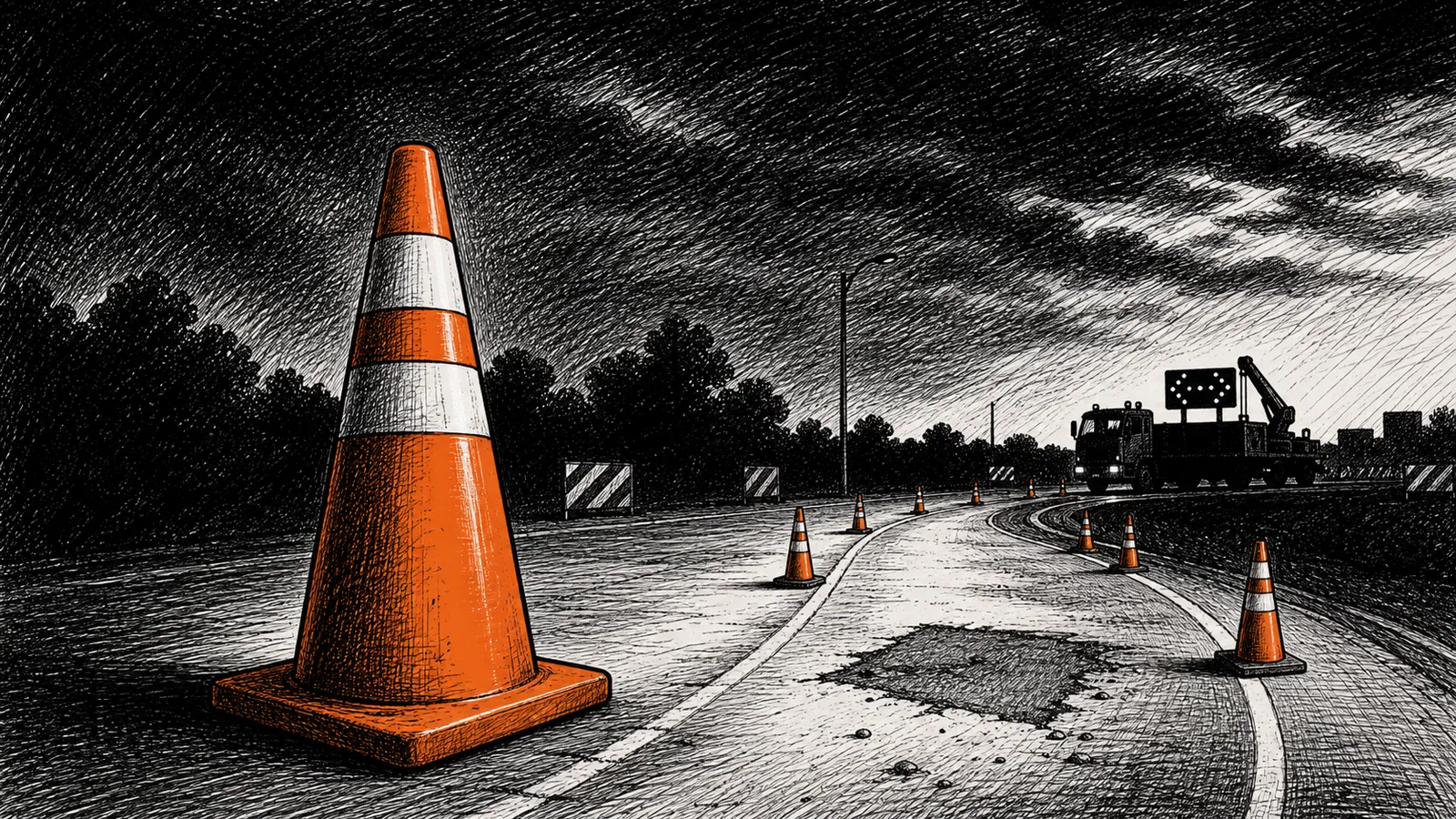
The Cone in the Lane
The traffic cone borrows a lane with plastic instead of force, making temporary public order depend on visibility, standards, and prompt removal.
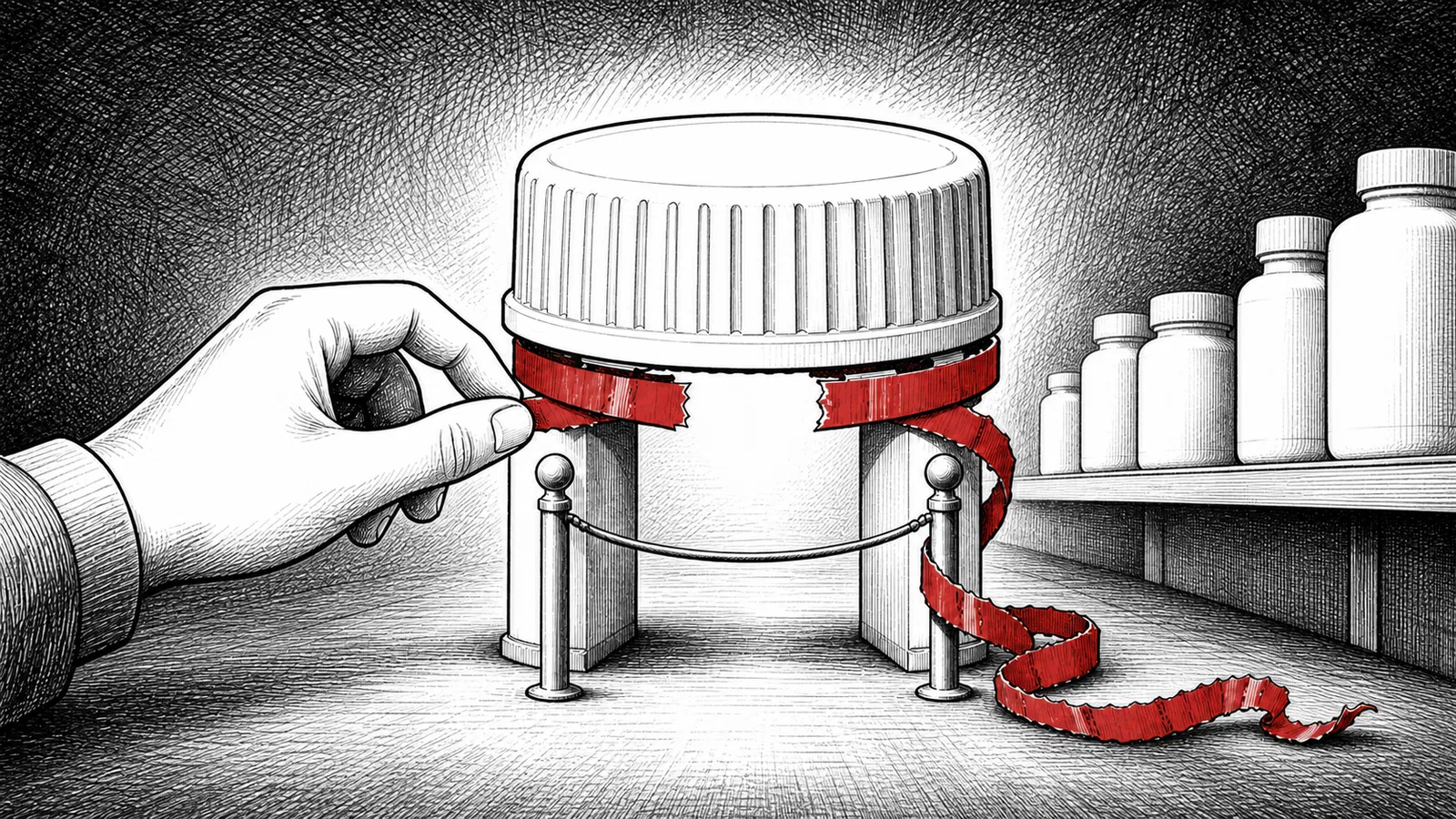
The Seal Around the Cap
The tamper-evident cap seal gives a bottle a memory of entry, making consumer safety visible at the point where a buyer can inspect it.
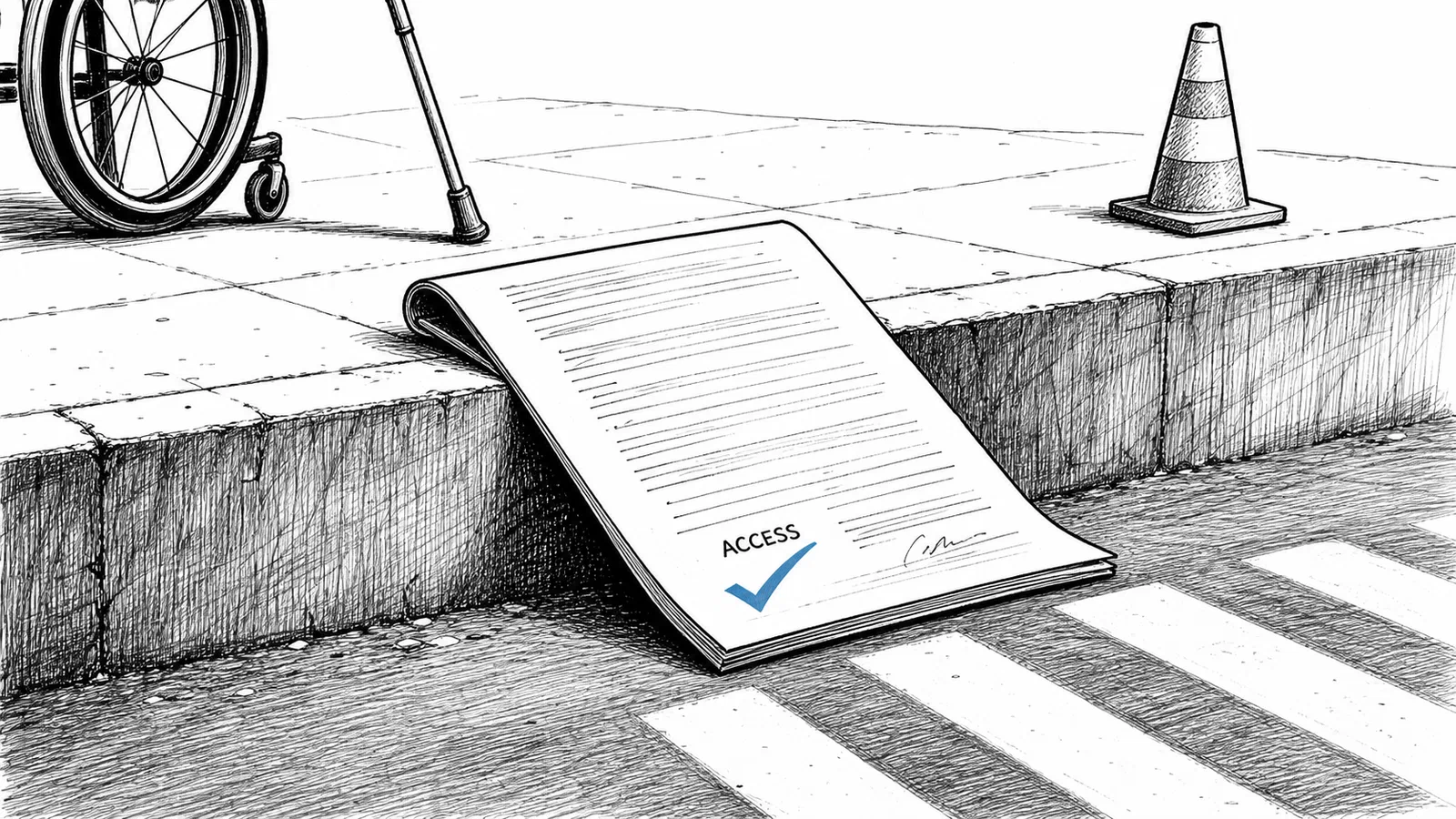
The Curb Cut at the Corner
The curb cut shows how disability law becomes usable only when rights survive grades, clear widths, budgets, repairs, and the working corner.
This Week's Virtue
Order
Order is not tidiness for its own sake. It is the habit of putting the public fact where another person can find it and test it. A code, cone, seal, or ramp works only when its place, purpose, and limit are clear. Disorder lets a small sign borrow more trust than it has earned.
Lost Time is never found again.
Worth Reprinting
The Meter at the Curb
Read it beside the barcode essay because both objects move ordinary access into a priced record and ask the public to trust the account.
Communication is a one-way street with a yield sign in both directions.