Outside In Print weekly sheet
Bob's Almanack
A weekly note from Robert V. Ussley with new essays, cartoons, and brief notes from Outside In Print.
A number is useful only after you know what it counts.
New from Outside In Print
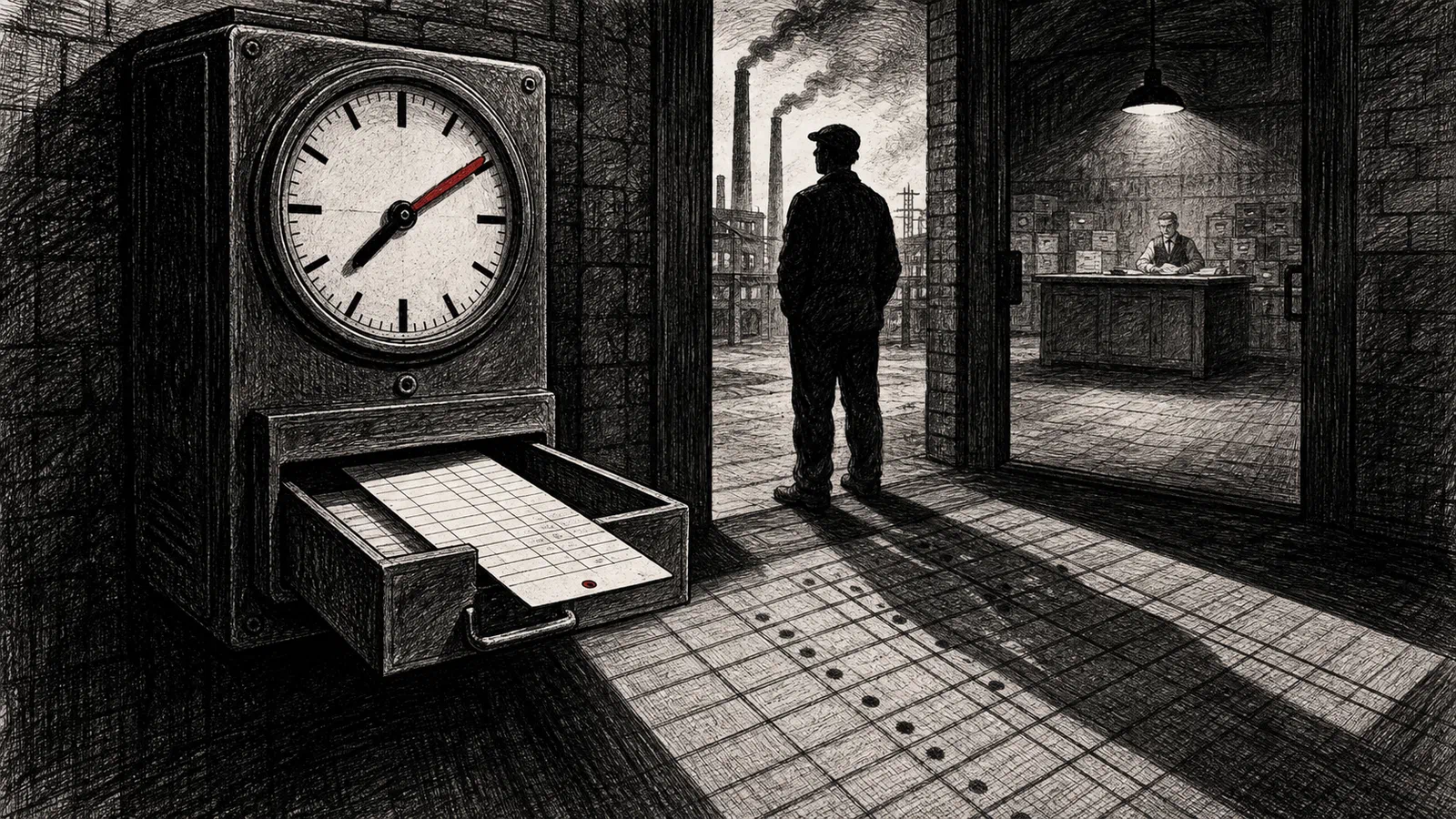
The Clock by the Door
A time clock turns a minute into evidence, then asks who controls the record when pay, discipline, and proof depend on it.
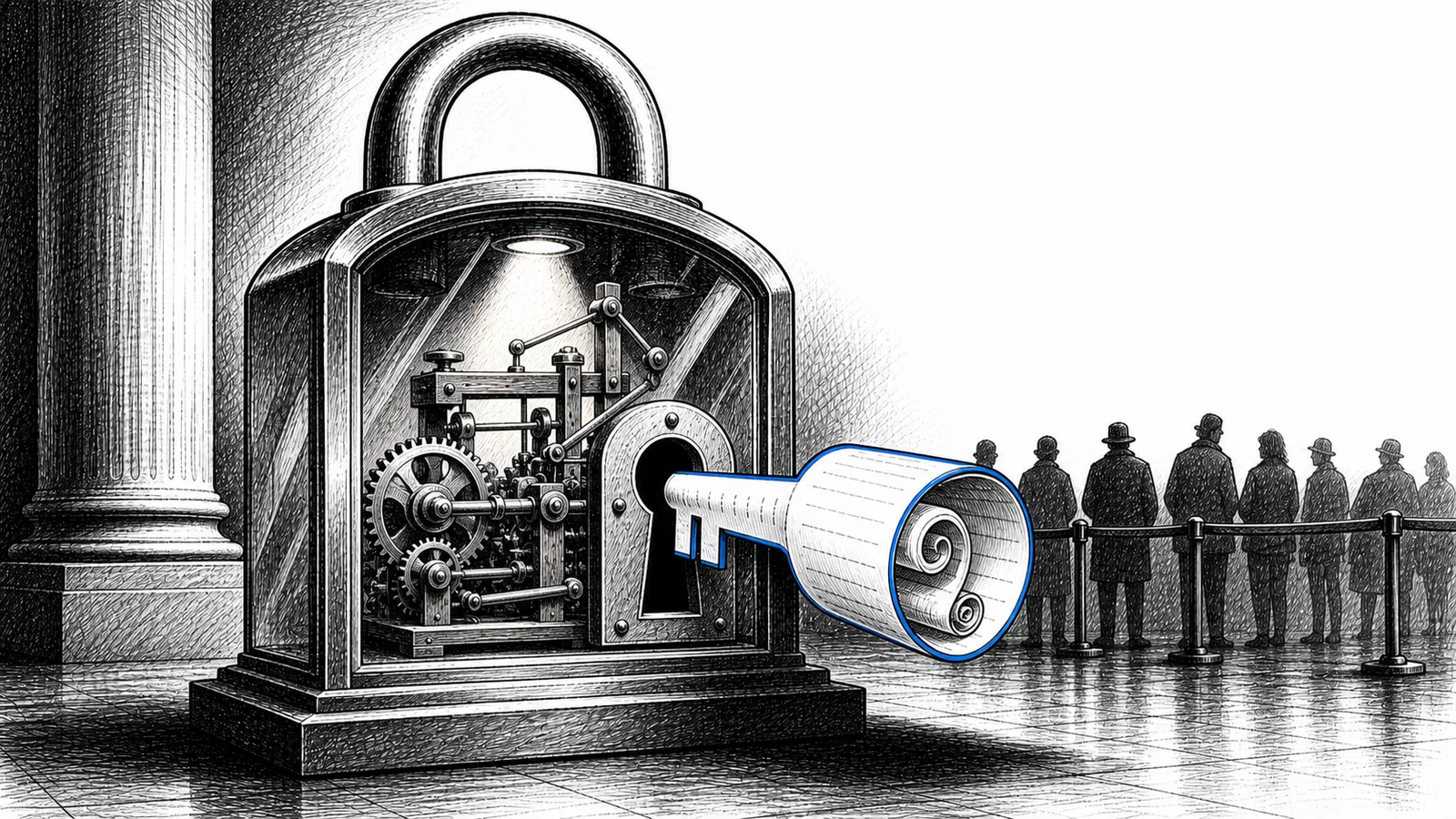
The Little Machine in the Glass Case
A patent model made the old bargain visible: no private right without a claim the public office could inspect.
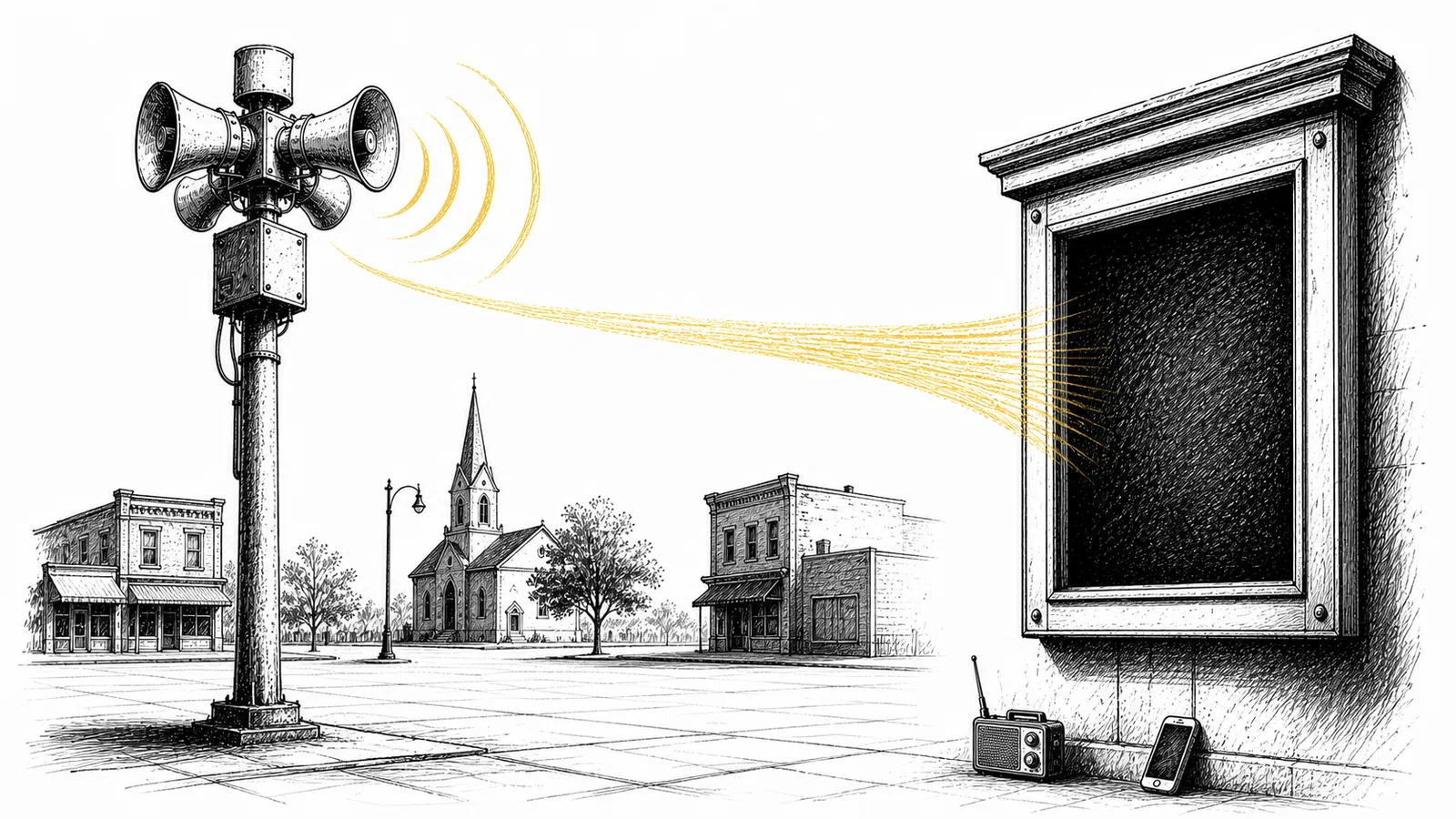
The Siren on the Pole
A siren can interrupt a town. It cannot explain the map, the shelter, the backup channel, or the next instruction.
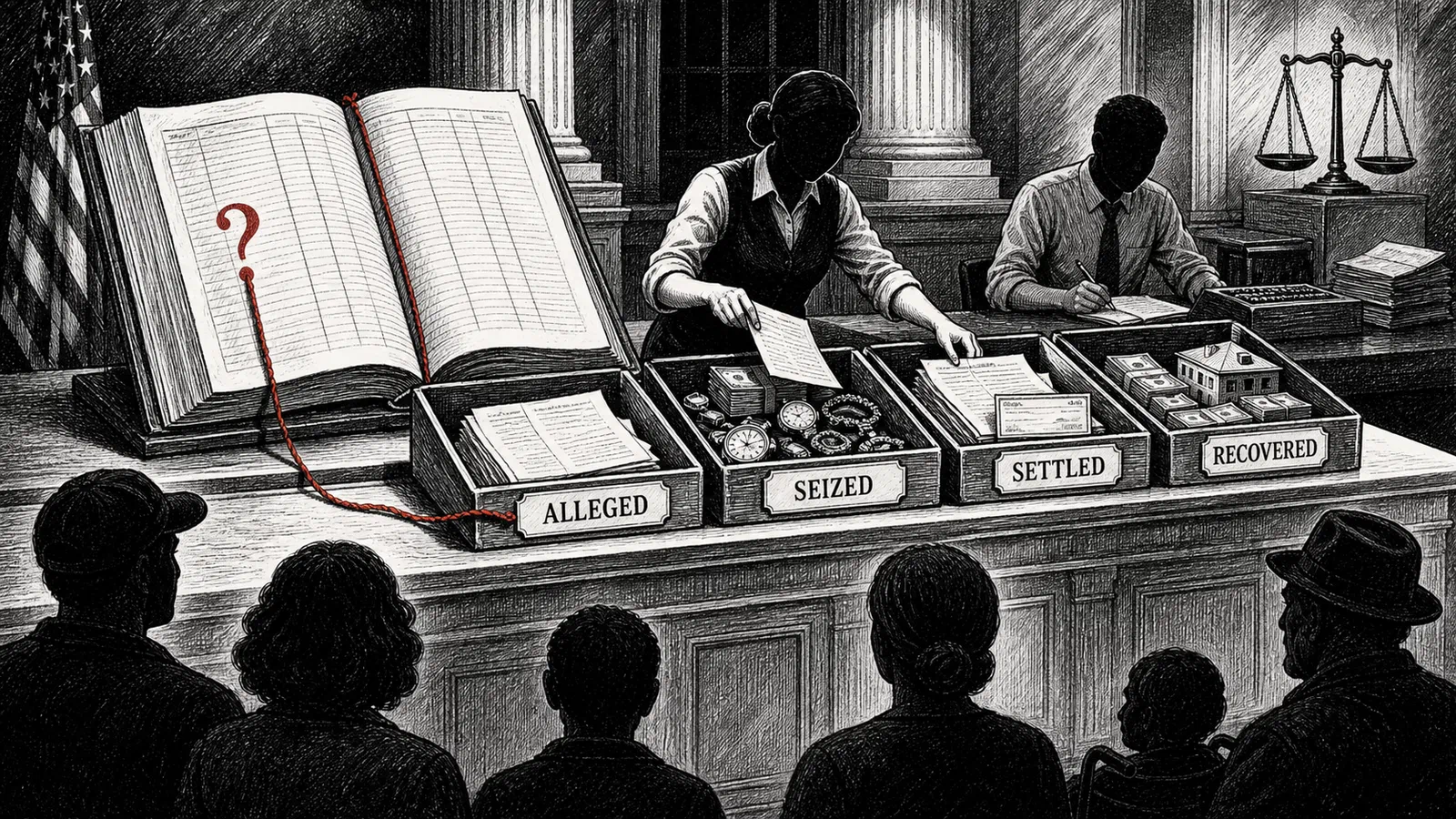
The Charge Ledger
A health-care fraud takedown needs separate columns for allegations, seized property, settlements, proof, and money recovered.
This Week's Virtue
Sincerity
Sincerity starts with saying what happened. Say what was measured, who measured it, where the limit sits, and what remains unknown. Do not make one fact do another fact's job. When a record skips that work, confusion comes first and excuse follows.
One To-day is worth two Tomorrows.
Worth Reprinting
The Card in the Catalog
Put it beside the time-clock and patent-model essays because the old catalog card shows what public memory loses when no other person can inspect the record.
A warning nobody maintains is just decoration.