Biden’s Strategic Oil Reserve Gamble: Smart Move or National Security Risk?
Draining America’s emergency oil stash to curb gas prices — short-term fix or long-term peril?
Buried deep beneath the Gulf Coast lies one of America’s most powerful weapons - not a missile or a tank, but oil.
The U.S. keeps a massive underground stockpile of oil - hundreds of millions of barrels.
It’s called the Strategic Petroleum Reserve (SPR), and for nearly 50 years, it has been America’s emergency safety net - a last resort for presidents facing oil shocks, wars, and natural disasters.
In 2022, with inflation surging and midterm elections approaching, President Biden tapped the reserve like never before and drained it to the lowest level in four decades.
His administration framed it as an effort to stabilize energy markets and lower gas prices, but critics disagreed.
The decision sparked a political firestorm.
Was this a maneuver that saved consumers at the pump, or a gamble that left the U.S. more vulnerable?
Why America Built an Oil Stockpile in the First Place
The Strategic Petroleum Reserve (SPR) was established in 1975 in response to the 1973 Arab oil embargo, when major oil-producing nations in the Middle East cut off exports to the U.S. and other Western countries.
This sudden supply shock caused severe fuel shortages, leading to skyrocketing gas prices and long lines at gas stations as Americans struggled to fill their tanks.
The crisis highlighted the nation’s dependence on foreign oil and prompted the U.S. government to create the SPR as a strategic stockpile to guard against future disruptions.
With an authorized storage capacity of 714 million barrels, it remains the world’s largest emergency crude oil stockpile, stored in vast underground salt caverns along the Gulf Coast.
Historically, the U.S. government has only tapped it during true emergencies - the Gulf War in 1991, Hurricane Katrina in 2005, and the Libyan civil war in 2011.
2022 was a bit different. Facing soaring inflation and record-high gas prices, the Biden administration unleashed an unprecedented 180-million-barrel release - accounting for nearly half the reserve.
It worked, at least in the short term: oil prices fell, and gasoline dropped from over $5 per gallon to under $3.
But the SPR was left dramatically depleted, and as global instability rises, the country may soon find out whether that decision was worth the risk.
Biden’s Record Oil Release: What Happened?

When President Biden took office in January 2021, the SPR held about 638 million barrels of crude oil.
By November 2022, after a series of aggressive releases, the reserve had dwindled to around 370 million barrels - the lowest since the early 1980s.
The Biden administration’s largest sale, a record 180-million-barrel release in 2022, was framed by the administration as a necessary intervention to stabilize global markets following Russia’s invasion of Ukraine.
DOE said in November 2024 that “The President is committed to ensuring a stable, affordable supply of energy for Americans.”
In total, the Biden administration sold nearly 300 million barrels of oil from the SPR. By the end of 2024, the Department of Energy (DOE) had purchased 59 million barrels at an average price of $76 per barrel and canceled 140 million barrels in congressionally mandated sales.
DOE also said in November 2024 that “This milestone cements President Biden and Vice President Harris’ commitment of putting the economic and energy security of the American people first.”
The Biden administration has framed its buyback strategy as a financial win.
DOE said in November 2024 that it had “fully utilized all funding allocated for crude oil purchases following the sale of 180 million barrels in response to the Russian invasion of Ukraine and secured 20 million more barrels at a good price for taxpayers.”
These numbers warrant scrutiny.
The Biden administration’s claim that it “secured 20 million more barrels” does not change the fact that the U.S. sold nearly 300 million barrels and repurchased only 59 million.
Canceling sales that had been mandated by Congress does not equate to replenishing reserves. Those barrels were never added back - they simply weren’t sold.
The result?
A depleted SPR with no real replenishment. Politicians often present numbers selectively, but the reality remains: the SPR is at its lowest level in decades.
On March 7, 2025, DOE said, “The Energy Department has not made any budget requests to Congress at this time.”
The Immediate Impact: Did Biden’s Plan Work?
The immediate effect of the SPR releases was a decline in oil and gas prices.
Crude oil prices, which had surged past $120 per barrel in mid-2022, began falling steadily after the SPR intervention, dipping below $80 per barrel by early 2023.
Gasoline prices followed suit, dropping from record highs of over $5 per gallon in June 2022 to around $3 per gallon by the end of the year.
Biden’s Treasury Department estimated in November 2024 that the SPR releases “lowered gasoline prices by as much as 40 cents per gallon” during the worst of the 2022 price surge.
While global demand shifts and OPEC production decisions also played a role, the SPR releases clearly eased market pressures.
Goldman Sachs said in 2023 that “The drawdowns reduced the amount of necessary price-induced demand destruction and helped prevent an even worse price spike.”
The Long-Term Cost: Is America More Vulnerable Now?
Despite the short-term relief, critics argue that draining the SPR at such a rapid and aggressive pace has left the U.S. more vulnerable to future crises.
Traditionally, the SPR has functioned as a last-resort safety net, not a tool for price regulation. By early 2025, the SPR had only partially recovered, reaching around 395 million barrels, well below full capacity.
According to the Energy Department, refilling the reserve to pre-2021 levels could take years and cost over $20 billion.
A DOE spokesperson said in March 2025, “It will take years to refill the reserve… a request that size to Congress is not something the department would do immediately in one request given the other budget concerns.”
While President Donald Trump has pledged to “immediately refill” the reserve, the process remains uncertain.
Geopolitical Uncertainty: Is the U.S. Ready for the Next Oil Shock?
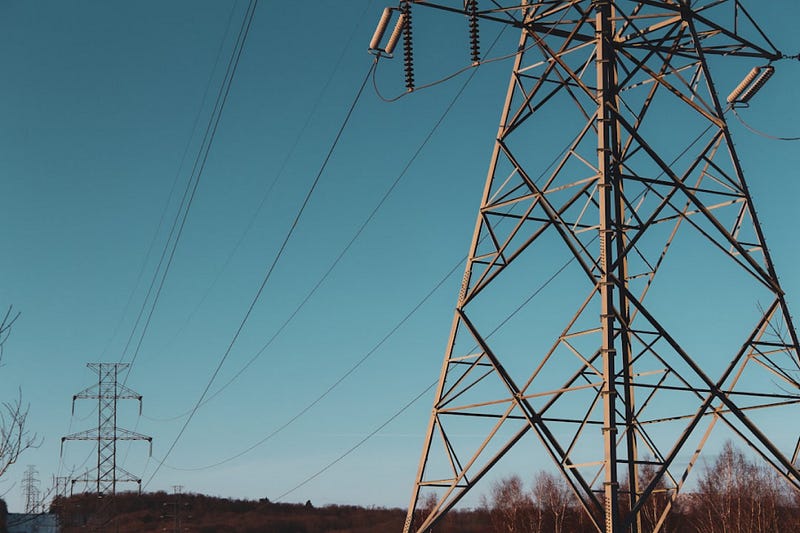
The Biden administration’s SPR gamble looks even riskier in light of recent geopolitical turmoil, including the ongoing war in Ukraine and the escalating conflict between Israel and Hamas.
Both crises have introduced new volatility to global oil markets, complicating the long-term consequences of depleting the SPR.
The war in Ukraine, now in its third year, continues to disrupt global energy supplies. Russia remains one of the world’s top oil producers, and despite Western sanctions, it continues to export millions of barrels per day, primarily to China and India.
Any escalation - such as new sanctions or disruptions to Russian infrastructure - could send oil prices spiking again, putting additional strain on global markets.
The U.S. Treasury Department said in November 2024 that “The SPR releases in 2022 helped mitigate the energy price shock caused by Russia’s invasion, but the conflict remains an ongoing source of uncertainty for global oil supply.”
Meanwhile, the Israel-Hamas war - while not directly affecting oil production - has created fresh instability in the Middle East, a region responsible for over 30% of global oil output.
The initial outbreak of hostilities briefly pushed oil prices to $87 per barrel before stabilizing.
Anne Slattery of RSM said in October 2024, “As long as the conflict remains contained and does not directly involve Iran, the price of oil should ease back toward pre-conflict levels.”
If Iran - a key backer of Hamas and a major oil exporter - becomes directly involved, the risk of supply disruptions could rise significantly.
Iran exports about 2 million barrels per day, and new sanctions or military conflict could drive prices sharply higher.
Tehran could retaliate by disrupting oil shipments from Saudi Arabia and Iraq, which together supply about 5% of total U.S. oil consumption.
With two major geopolitical flashpoints threatening global supply chains, the decision to draw down the SPR to historically low levels may limit U.S. flexibility in responding to future crises.
Global oil markets are already strained by the war in Ukraine, and the risk of a second major geopolitical disruption in the Middle East could exacerbate supply concerns.
The SPR, now at its lowest level in decades, may not be able to buffer another prolonged crisis - and if global markets face another shock, Washington may find itself with few options left.
That’s why debates over energy policy - whether to prioritize drilling, pipelines, or renewables - are more heated than ever.
The U.S. can double down on fossil fuels, invest in renewables, or pursue a balanced strategy. America must forge a path forward toward global stability and prosperity. Energy policy plays a major role in shaping the future of geopolitics and economics.
One of the most controversial energy decisions of the past decade? The cancellation of the Keystone XL pipeline.
Keystone XL, Drilling, and Trump’s Energy Agenda
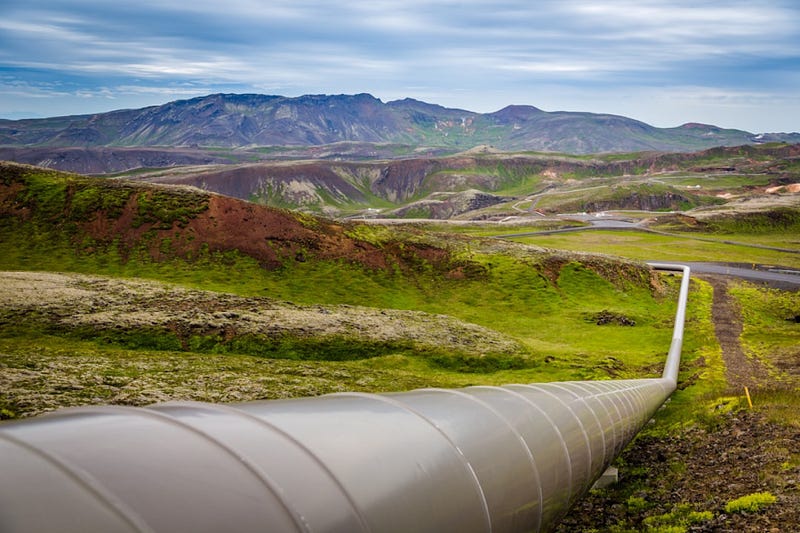
The cancellation of the Keystone XL pipeline remains a flashpoint in the broader debate over U.S. energy security.
The pipeline, which would have transported 830,000 barrels per day of Canadian crude oil to U.S. refineries, was effectively killed when the Biden administration revoked its permit in early 2021.
Upon the official termination of the Keystone XL pipeline project, TC Energy’s President and CEO, François Poirier, stated:
“We value the strong relationships we’ve built through the development of this Project and the experience we’ve gained.”
For Trump and his allies, this decision symbolizes what they view as misguided environmental policies that prioritize political optics over energy independence.
The Trump administration’s approach to domestic energy production can be summed up by the famous rallying cry of Republican energy policy:
“Drill, baby, drill!”
During Trump’s first term, his administration pursued aggressive lease sales for oil drilling on federal lands, expanded offshore drilling opportunities, and rolled back environmental regulations. These policies reflect his basic philosophy:
Prioritize domestic energy production over climate concerns. Trump wasted no time in framing Biden’s SPR strategy and pipeline cancellations as reckless mismanagement.
He pledged to immediately refill the reserve and reverse course on restrictive drilling policies.
However, the process of replenishing the SPR has proven far more complicated than campaign rhetoric suggested.
U.S. Energy Secretary Chris Wright said in March 2025, “It will take years to refill the reserve… a request that size to Congress is not something the department would do immediately in one request given the other budget concerns.”
Despite Trump’s stated commitment to energy dominance, refilling the SPR remains a slow and costly process.
The Keystone XL pipeline, had it been completed, might have played a role in stabilizing supply chains, but its absence is just one piece of a much larger energy policy puzzle.
While Trump’s drilling-first strategy may boost production, it does little to immediately rebuild the depleted SPR, which remains far below pre-2021 levels.
The Big Picture: What Comes Next for U.S. Energy Security?

The Biden administration’s use of the Strategic Petroleum Reserve was the most aggressive in history, a move that shaped energy markets, lowered gas prices, and left the U.S. in a weakened long-term position.
The core picture is this: Biden sold nearly 300 million barrels, and the SPR hit its lowest level in roughly four decades. Gas prices dropped, but other market forces also played a role. Only 59 million barrels had been repurchased by the cited DOE count, far from full replenishment. Geopolitical instability remained high, including the Ukraine war and Middle East conflicts. Trump now faces the challenge of refilling the SPR while balancing economic and energy stability. Was Biden an unlikely oil tycoon, playing the market to keep gas prices in check?
Or was he another politician prioritizing optics over long-term energy security? The numbers tell a complicated story. Supporters claimed victory, but the long-term consequences remained uncertain.
Regardless of which view prevails, the bigger question is what happens next. Can the U.S. secure energy independence and navigate an increasingly volatile global oil market?
One thing you can be sure of is that energy security is national security. The choices we make today define our ability to withstand the next oil shock, conflict, or supply disruption.
The next crisis is not a question of ‘if’ but ‘when.’