Biter
A word to describe artistic thieves
Sometimes a single word carries the whole accusation.
A copycat: someone who steals another person’s ideas, aesthetic, or work and passes it off as their own.
No spin. No twist. Just theft.
The word “bite” means to steal or imitate without credit.
People have been using it to call out artistic theft and enforce creative ownership since at least the late 1970s.
Hip-Hop Made the Accusation Public
The term first became popular in the United States through one of hip-hop’s earliest commercial successes.
In 1979, Big Bank Hank of the Sugarhill Gang used verses written by Grandmaster Caz, without credit, on “Rapper’s Delight.”
The dispute was not only about copied words. It was about delivery, style, and ownership.
Grandmaster Caz called it “pure treason.”
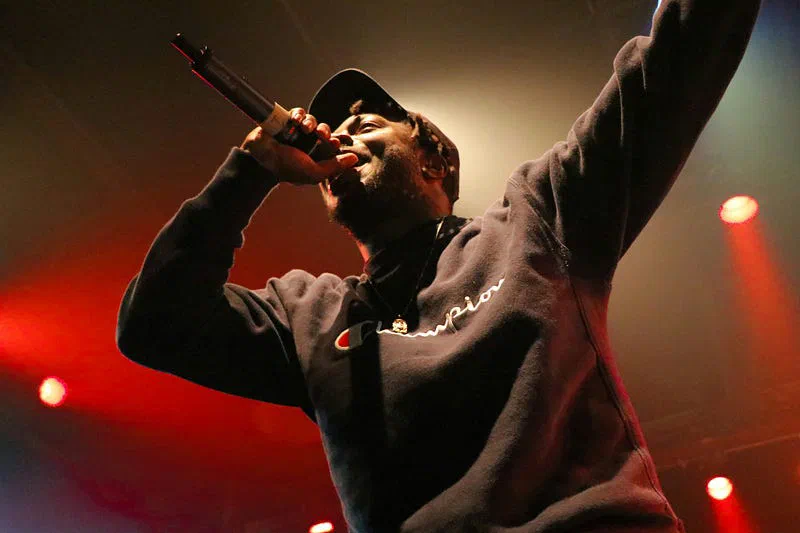
By the mid-80s, calling someone a copycat was not just underground slang. It was a public accusation.
On Marley Marl’s posse cut “The Symphony,” rapper Masta Ace made the ethos official:
“There’s a sign at the door: No biting allowed.”
In the early 2000s, JAY-Z was questioned for lifting lines from The Notorious B.I.G. He framed the borrowing as homage rather than theft.
The difference between homage and biting?
- Credit
- Intent
- Transparency

Outside of hip-hop, the accusation resonates across culture.
TikTok dancers get called out for copying choreography without credit.
Fashion designers feud over similar cuts.
Comedians police punchlines.
Watch Danny Sapko’s breakdown of the Giacomo Turra controversy.
A recent controversy in the world of online musicians shows the charge in a particularly sharp form. Giacomo Turra, a popular funk guitar influencer with a large audience, has been accused by other musicians and commentators of copying arrangements, performances, and stylistic details without proper credit.
The dispute was not just gossip. It raised the same questions that creative communities have always cared about:
- Who did the work?
- Who received the credit?
- Who made money from the result?
The community response was angry because the alleged copying ran against the basic bargain of creative scenes. You can borrow. You can study. You can pay homage. But you cannot take the labor of smaller artists, strip away the credit, and sell it as your own.

Every creative scene, from music to design to comedy, has the same rule:
Respect the community.
People who steal from the culture are not part of it. They are feeding off it.
If you made it this far, you are someone who actually cares about where creativity comes from and where it is going.