Building for Centuries Not Election Cycles
The Case for Slow, Steady, and Smart Federal Infrastructure Planning
Why USACE Takes Its Time: Infrastructure Built to Last
The U.S. Army Corps of Engineers (USACE) is often called America’s construction company.
It builds and maintains the nation’s infrastructure: flood protection systems, navigation channels, military installations, and environmental restoration projects.
These projects shape communities, economies, and ecosystems for generations.
That’s why USACE doesn’t rush.
Since 2012, USACE feasibility studies have generally been guided by the “3x3x3” rule:
- No more than three years
- No more than $3 million
- Three levels of Corps review, with the report scaled to the decision
Some see it as bureaucratic bloat. In reality, feasibility studies actively safeguard public funds.
Infrastructure mistakes don’t just cost money. They can’t always be undone.
A bad project can wipe out ecosystems, drain taxpayer dollars, or fail catastrophically. A methodical, well-researched approach prevents those outcomes.
The federal government isn’t a private developer looking for quick returns.
It has to think in decades, not election cycles. And when administrations change, so do priorities. But federal agencies can’t turn on a dime.
Major policy shifts don’t take effect overnight. Ongoing projects must be evaluated under new guidelines.
If the change is small, it can be absorbed. If it’s major, it can push a study back by years.
This deliberate pace frustrates people, but it exists for a reason.
When you’re building billion-dollar projects that shape the country’s future, a little patience isn’t a feature of calcified bureaucracy. It’s common sense.
The High Cost of Rushing Infrastructure Projects

History is full of cautionary tales about what happens when big projects move too fast. One of the worst? The large-scale drainage of Florida’s wetlands in the early 20th century.
At the time, the plan seemed simple: drain the Everglades, prevent flooding, and open up new farmland.
It was a massive engineering effort, backed by both state and federal support. But no one stopped to ask: Should we do this?
The consequences were disastrous.
- Entire ecosystems collapsed. Native species vanished.
- South Florida’s water supply became unstable.
- The very flooding engineers had hoped to prevent became worse.
Now, the federal government is spending billions to undo damage that better planning could have prevented.
This is what happens when planning takes a backseat to speed.
Poorly conceived infrastructure isn’t just inefficient. It’s expensive. Fixing mistakes always costs more than preventing them. Some failures can’t be repaired, no matter how much money is thrown at them.
The Everglades weren’t the first rushed project to backfire, and won’t be the last. But they serve as a warning:
With major infrastructure, there’s no second chance to get it right.
Feasibility Studies: How USACE Saves Taxpayer Dollars
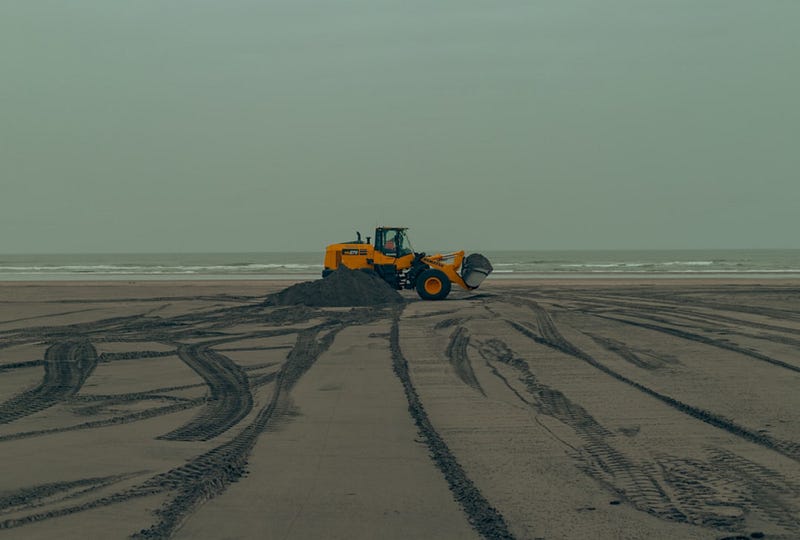
The U.S. Army Corps of Engineers doesn’t just build things. It decides whether things should be built at all. That’s what the feasibility study process is for.
Every project, including hurricane barriers, floodwalls, and more, undergoes years of analysis before a shovel hits the ground.
Is it necessary? Will it work?
What are the risks? How much will it cost taxpayers, not just now, but decades from now?
These questions don’t have easy answers. Rushing them leads to expensive mistakes.
Take flood control. A poorly designed levee can fail under real-world conditions, turning a manageable storm into a catastrophe.
When that happens, disaster relief costs dwarf whatever was saved by cutting corners in the planning phase.
The same is true for coastal protection, navigation projects, and environmental restoration. If a project isn’t studied properly, the risk isn’t just wasting money. It’s making the problem worse.
Private developers can afford to take risks. The federal government can’t.
A feasibility study isn’t bureaucracy. It’s insurance.
It ensures taxpayer money funds projects that work. Done right, it saves far more than it costs.
Feasibility studies ensure projects are guided by science and necessity, not politics or short-term gain.
Policy Shifts and Infrastructure Delays: Why Slow Change is Smarter

Every four or eight years, a new administration comes in with new priorities. Infrastructure, climate policy, and funding strategies shift. But the federal government doesn’t turn on a dime. It can’t.
A feasibility study takes at least three years.
Some projects take decades from planning to completion. By the time a new policy takes effect, many projects are already deep into study.
Changing course isn’t always practical. If the policy change is minor, it can be worked in. But if it requires a major overhaul, new environmental justice guidelines, changes in cost-sharing rules, or new economic assumptions can delay a study by years.
That’s not just theoretical.
If a study is halfway done and the rules change, engineers and economists don’t just tweak a few numbers. They start over. Models must be rerun, environmental assessments redone, justifications rewritten.
In some cases, a project that was once viable becomes unjustifiable, not because conditions have changed, but because the rules have.
USACE does not shift course every election cycle because long-term planning requires consistency.
The agency adjusts, but slowly, making sure changes don’t waste years of work or derail critical infrastructure projects.
Planning has to outlast politics. Otherwise, nothing ever gets built.
Institutional Memory: The Backbone of Effective Federal Planning
Politicians come and go. Career professionals stay.
That’s one of USACE’s biggest strengths. The people analyzing major federal projects aren’t elected officials chasing quick wins.
They’re engineers, economists, and planners who’ve spent decades studying what works and what fails.
They remember past mistakes. More importantly, they make sure we don’t repeat them.
Without that continuity, every new administration would be starting from scratch. Critical projects would be scrapped and revived in an endless loop. Studies would be abandoned midstream. Lessons learned the hard way would be forgotten.
Federal agencies move slowly, but that slowness protects institutional memory. Decisions that affect the technical analysis are made based on data and experience, not just fleeting priorities.
Even as leadership changes, long-term projects stay on course. Without stability, infrastructure planning collapses into chaos.
Conclusion: Smart Infrastructure Requires Patience

It’s easy to criticize slow-moving agencies. People want action. They want results.
But when we’re talking about billion-dollar projects that shape America’s future, a little patience is the cheapest insurance policy we’ve got.
Infrastructure isn’t something you can undo.
A well-planned levee protects a city for a century. A rushed one fails when it’s needed most.
A carefully vetted restoration project can bring an ecosystem back to life. A poorly thought-out one can do more harm than good.
USACE’s deliberate pace isn’t red tape. It’s a safeguard.
Public funds should go toward projects built to last: projects that can withstand disasters and hold up under scrutiny.
The cost of getting it right is a drop in the bucket. The cost of getting it wrong is a flood.