David Attenborough: How One Quiet Voice Made the Whole World Listen
From black-and-white BBC to the edge of extinction and back
Minimalist narration isn’t supposed to change the world.
But it did.
With a steady tone, curious cadence, and enough wonder to move stone-faced politicians to tears, David Attenborough turned television into a time machine ~ and the planet into a living document.
His voice made you stop scrolling.
His words made coral reefs cry.
His message, refined over seven decades, asked one question again and again:
Will you care, now that you know?
Sir David Frederick Attenborough:
Broadcaster, naturalist, author, and planetary conscience.
He was born in 1926, and he’s been showing the world to itself ever since.
Early Life: Fossils and Field Guides
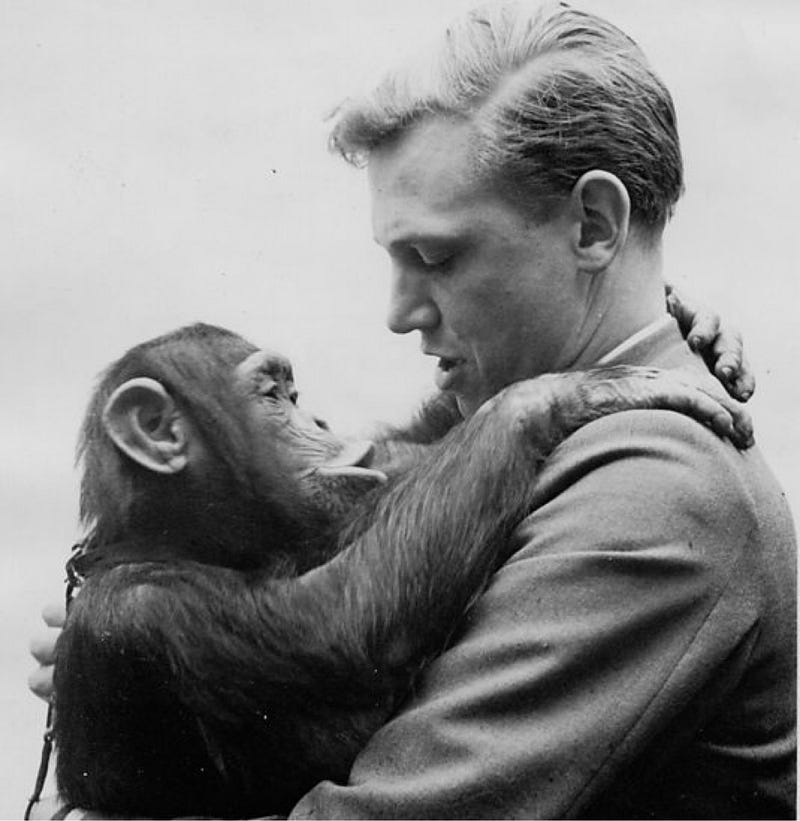
Young Attenborough | Source: BBC
Attenborough grew up in Leicester, England, one of three brothers in a house that valued books, ideas, and the occasional fossil.
His father was principal of University College Leicester.
David collected stones.
He boiled down animal bones.
He mapped local wildlife ranges before he hit puberty.
“I was quite obsessive about natural history,” he later admitted. “That was the beginning of everything.”
He studied Natural Sciences at Cambridge, specializing in geology and zoology.
After two years in the Royal Navy, he stumbled into a BBC training program in 1952 ~ not because he dreamed of being on TV, but because he was “mildly irritated by the way animals were being presented.”
So he rewrote the script.
The Zoo Quest Years (1954-1963): Travel, Teeth, and Film Canisters
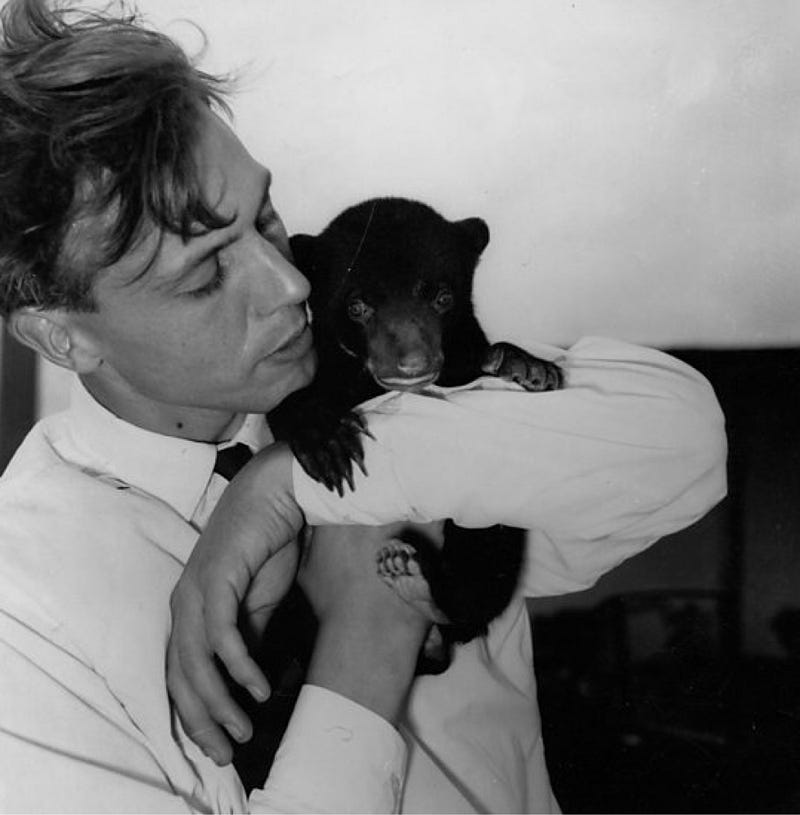
Attenborough with Zoo Quest | Source: BBC
Attenborough’s first breakthrough was Zoo Quest, a documentary series that combined wildlife footage with on-location travelogues.
This was the 1950s.
Flying to Borneo to film orangutans wasn’t just rare ~ it was radical.
He didn’t narrate from a sound booth. He hiked the jungle with a 16mm camera, dodging mosquitoes and malaria while talking directly to the lens.
Viewers followed along, wide-eyed and sometimes scandalized.
One episode drew criticism for showing a monkey being fed to a snake.
“I was accused of promoting cruelty,” he recalled.
“But that was nature doing what it does.”
It was the beginning of a lifelong theme: show nature honestly, even when it’s hard to watch.
Building the BBC’s Natural History Unit: The Big Picture
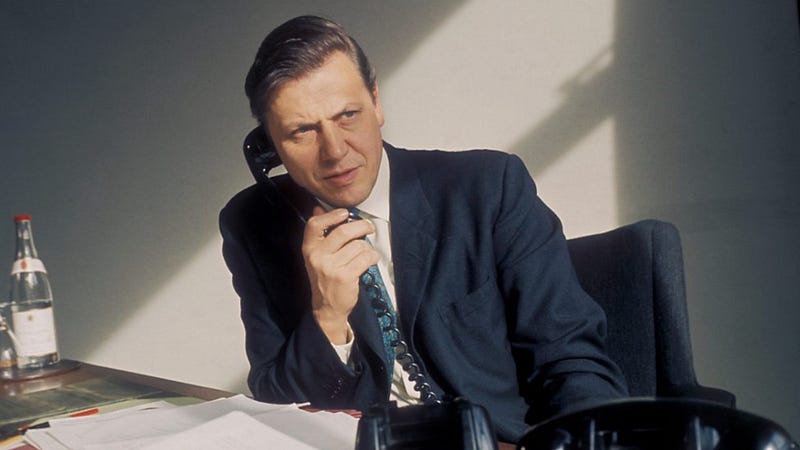
Attenborough as Director | Source: BBC
In the 1970s, Attenborough wasn’t just hosting programs ~ he was shaping the network.
As Controller of BBC Two and later Director of Programming, he commissioned landmark shows like Monty Python’s Flying Circus and Civilisation, while quietly building the most ambitious wildlife production team in history.
But desk work is for the birds.
In 1979, he returned to the field to narrate and write Life on Earth, a 13-part series tracing the history of life from single-celled organisms to humans.
It was a monster hit.
Over 500 million people watched it.
Critics called it a masterpiece.
For the first time, the planet had a narrator.
The Voice and the Blueprint: A New Way to Tell Nature Stories
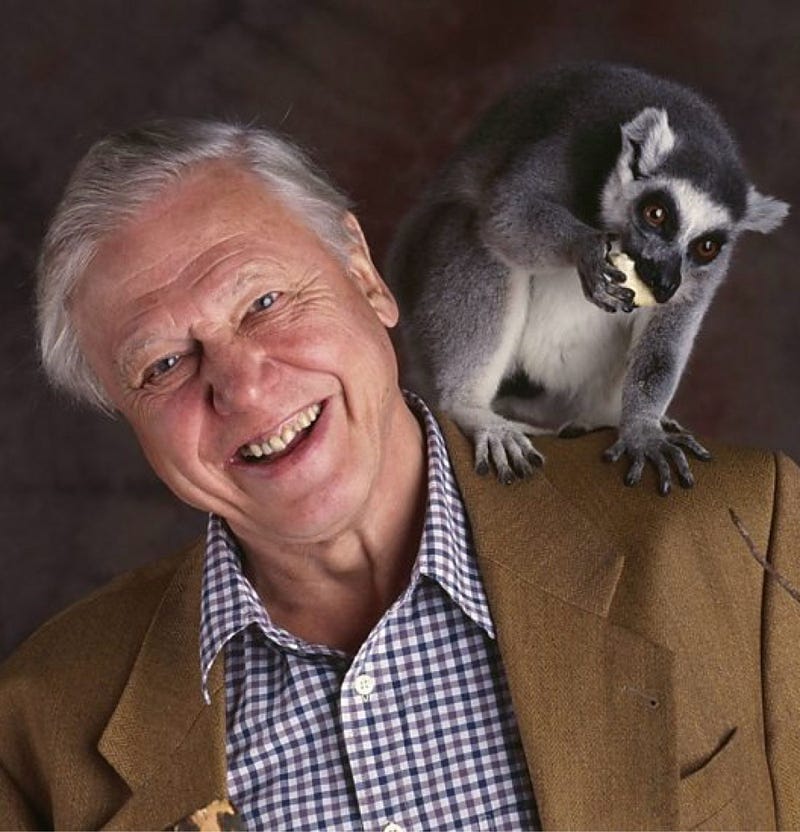
Everyone’s Favorite Nature Uncle | Source: BBC
Attenborough didn’t shout. He didn’t moralize. He didn’t even raise his eyebrows.
Instead, he whispered awe into the script.
You could hear it in The Living Planet (1984), The Trials of Life (1990), and The Blue Planet (2001).
Each series pushed the limits of storytelling and cinematographic-time-lapses to new heights.
Blooming fungi, an underwater ballet between predator and prey, and aerial shots that make continents look like brushstrokes.
Production teams use drones and gyro-stabilized cameras to frame the shot. They take months (sometimes even years) to capture the footage ~ looking at you snow leopards.
In post-production, musical scores echo migration rhythms and glacial collapse.
In the booth, Attenborough records the final line:
“I never wanted to be the star,” he once said. “The animals are the stars.”
But somehow, his voice always feels like the soul of the scene.
Planet Earth (2006-2016): Peak Nature
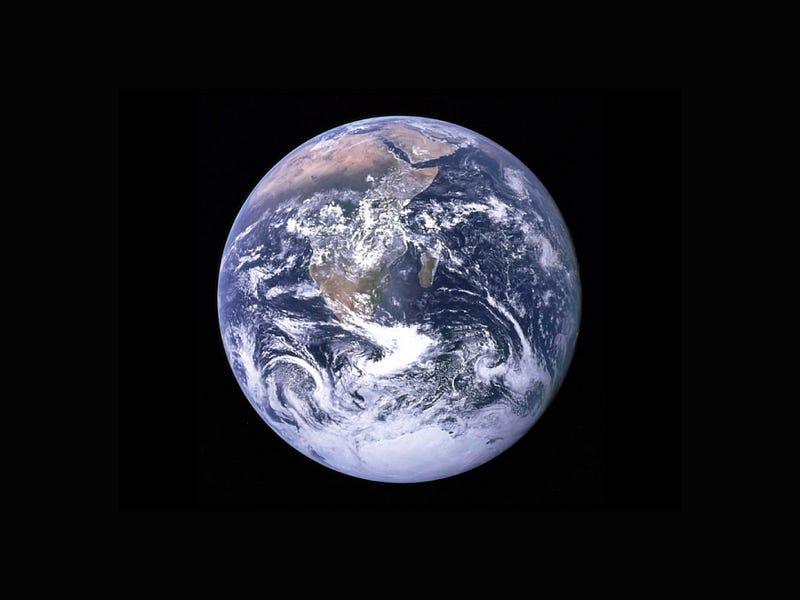
Planet Earth changed the game.
With 4K cameras, helicopter rigs, and a $25 million budget, it showed nature not just as subject, but as a spectacle.
It was cinema with feathers.
Attenborough didn’t just narrate the facts.
He made you feel them:
“In the forest canopy, time slows…
The sun filters through like ancient, stained glass.”
It wasn’t just data and images.
It was reverence. A meditation.
Millions of people ~ kids, couples, and world leaders ~ tuned in to see places they would never visit and animals they might never see again.
Sequels followed: Planet Earth II (2016), Blue Planet II (2017), Frozen Planet, Africa, Dynasties.
Each time, the scale got bigger.
The shots got cleaner.
The music swelled.
And the warning got louder.
The Turn: From Explorer to Witness
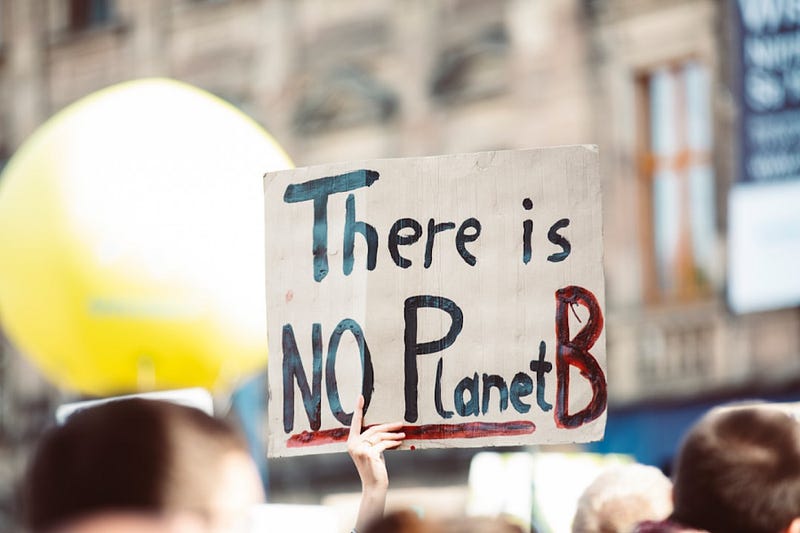
Attenborough always respected nature’s systems.
But around 2000, something shifted.
He started sounding more urgent.
In State of the Planet (2000), he asked:
“Can we go on living like this?”
By 2020, he’d stopped asking that question.
In A Life on Our Planet, Attenborough gave what he called his “witness statement.” He laid out the damage: rainforest loss, warming seas, mass extinction.
Then he did something rare in environmental media: he offered a path back:
“Rewild the world,” he said.
“It’s not too late.”
It wasn’t a threat. It was an invitation.
Production Style: Precision and Pause
Attenborough’s documentaries don’t just inform.
They breathe.
They use silence like punctuation.
The editing is musical, the pacing deliberate.
His scripts are written last, not first ~ only after the footage is shot and the scenes are sequenced.
He watches the cut, sits in a sound booth, and begins to speak.
The pauses are long.
The metaphors are tight.
The tone is never hysterical.
This isn’t panic porn. It’s planetary storytelling.
Legacy: From British Icon to Global Conscience
Attenborough’s work has won nearly every award you can name:
Emmys, BAFTAs, the Order of Merit, two knighthoods (the second from Queen Elizabeth in 1985, and a Knight Grand Cross from King Charles in 2022).
Species have been named after him.
Schools bear his name.
In 2021, a new research vessel was nearly named Boaty McBoatface, but public outcry led to the more sensible RRS Sir David Attenborough.
He’s been spoofed by The Simpsons, memed by Gen Z, and revered by climate scientists around the world.
And the work continued.
By the mid-2020s, his public work had settled into a clear plea: protect habitat, restore ecosystems, and reduce the human pressure on the living systems his films had spent decades making visible.
What Comes After the Voice?
There will be other narrators. There will be more documentaries. But
There will never be another David Attenborough.
Not with that voice, that track record, and that moral weight.
He never shouted.
He never begged.
He just showed us what we were losing and asked us to care.
He didn’t just narrate nature.
He gave it a voice.