Is Trump Seriously Asking for Ukraine’s Mineral Rights — Or Is This Just a Distraction?
(They might actually make a deal)
The U.S.-Russia peace talks in Riyadh signaled a shift toward de-escalation in Ukraine and a broader realignment of U.S. strategy toward the Pacific.
That made Trump’s push for access to Ukraine’s mineral wealth especially important.
If peace was the goal, why was Washington demanding resource access? Would a minerals agreement prolong the war, or could it create a stronger deterrent by tying U.S. economic interests to Ukraine’s survival?
The position looked contradictory. On February 19, Trump called the war unwinnable, attacked Zelenskyy’s leadership, and questioned continued support. If Ukraine was a lost cause, why pursue its most valuable resources?
The answer may be that the minerals demand was not a distraction. It may have been the transaction through which Trump wanted to justify continued U.S. involvement.
The Greenland Pattern

Trump had already shown interest in resource-rich territory through his proposal to buy Greenland. He framed Greenland as strategically important because of Arctic access, minerals, and U.S. independence from Chinese supply chains.
Denmark rejected the idea, and polling showed Greenlanders overwhelmingly opposed joining the United States.
Greenland could say no. Ukraine, fighting for survival and dependent on outside support, had far less room to refuse.
That asymmetry matters. A deal between a secure ally and the United States is one thing. A deal between a wartime government and its essential security patron is another.
Why Ukraine’s Minerals Matter
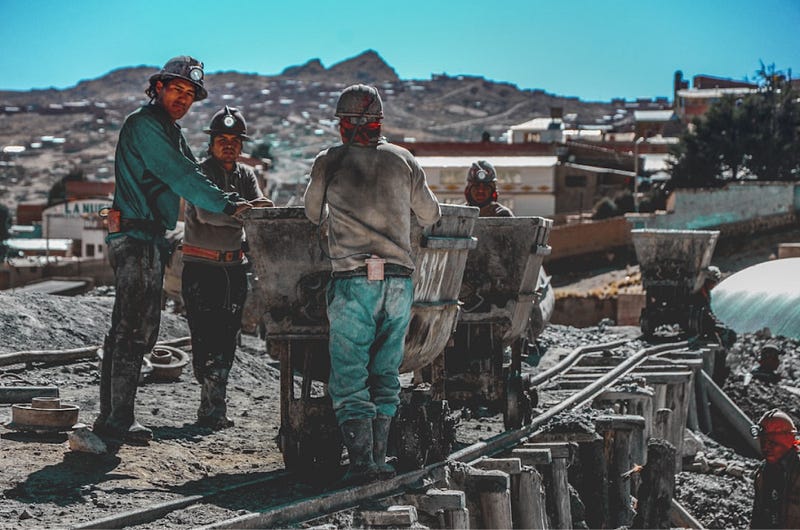
Ukraine has significant deposits of lithium, titanium, graphite, and other minerals relevant to batteries, defense production, and clean-energy technology. Some deposits are under Russian occupation or close to contested areas, which makes access both valuable and risky.
For the United States, Ukraine’s mineral base could reduce dependence on China-linked supply chains. For Ukraine, U.S. investment could bring capital, political attention, and a stronger argument for continued security support.
The tradeoff is that resource access can blur the line between partnership and extraction. If Ukraine gives Washington a stake in its minerals without credible security guarantees, the agreement could look less like alliance strategy and more like wartime leverage.
Deterrence or Exposure
A U.S.-Ukraine minerals agreement could strengthen deterrence if American companies, financing, and political commitments make Ukraine’s security more important to Washington.
But investment alone is not a security guarantee. Mines, contracts, and joint funds do not stop missiles. Russia would still test the limits of U.S. commitment unless the agreement was tied to enforceable support.
That is why Zelenskyy’s reported concern over security guarantees mattered. Ukraine did not only need a buyer or investor. It needed assurance that the United States would not take the upside while leaving Ukraine exposed to the risk.
The Transactional Logic
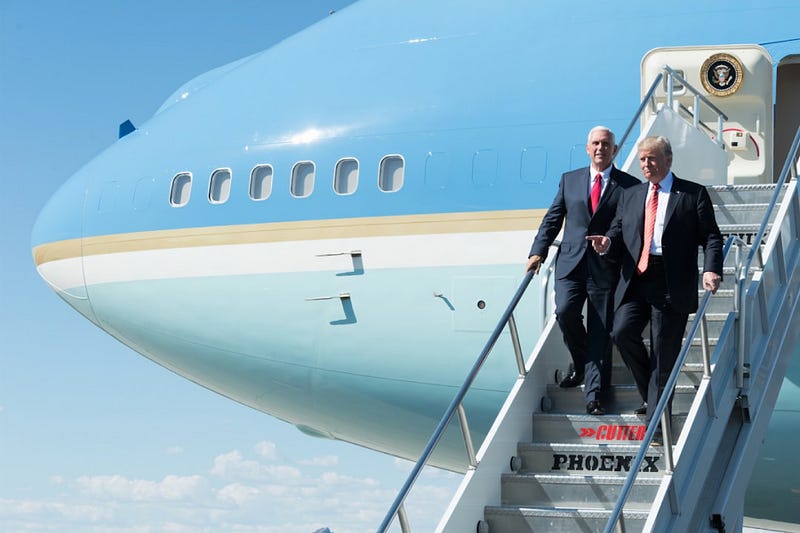

Trump’s rhetoric suggested that continued aid had to produce a visible return for the United States. He argued that Europe had secured debt instruments while the United States had spent heavily without tangible compensation.
In that framework, a minerals deal could give Trump a domestic political story: the United States was not giving aid away; it was receiving strategic economic value in return.
That logic might make continued support more politically durable inside Trump’s coalition. It could also make Ukraine’s survival dependent on whether the deal looked profitable enough to defend.
The danger is that transactional politics can mistake ownership for strategy. Control over mineral rights does not automatically produce peace, deterrence, or reconstruction. Those require governance, infrastructure, capital, security, and time.
A Possible Reset With Zelenskyy

U.S. Treasury Secretary Scott Bessent presented a proposal to Zelenskyy in Kyiv. Ukrainian officials reportedly objected to the speed and terms of the proposal, including the absence of explicit security guarantees.
After Keith Kellogg’s visit to Kyiv, reporting suggested that talks had improved and that both sides were trying to finalize an agreement. Zelenskyy described the negotiations as a possible step forward while emphasizing the need for effective terms.
That sequence suggests the minerals demand was not merely rhetorical. It was part of a serious negotiation over the future shape of U.S.-Ukraine relations.
If finalized on balanced terms, the agreement could bind the United States more closely to Ukraine’s reconstruction and security. If finalized under pressure, it could deepen Ukrainian dependence without solving the strategic problem that made the deal necessary.
Conclusion

Trump’s push for Ukraine’s minerals echoed the Greenland idea, but the stakes were different. Greenland was a secure territory whose government could reject a bad proposal. Ukraine was a wartime democracy seeking survival.
A minerals agreement could serve both countries if it joins economic development with credible security commitments. It could help Ukraine rebuild, give Washington a strategic supply-chain interest, and make abandonment harder.
But if the United States seeks resource access without real guarantees, the deal risks becoming extraction under wartime pressure.
The question is not whether Ukraine’s minerals matter. They do. The question is who bears the risk, who gains power, and whether the agreement strengthens Ukraine’s sovereignty or monetizes its vulnerability.