Nottoway Plantation Burns Down in Fire: History and Legacy of the South’s Largest Mansion
A brief explainer about what the house was, how it evolved, and why its destruction sparked so many different reactions
It was the largest remaining antebellum mansion in the South: built by enslaved people, sold as a resort, and burned to the ground in 2025.
The Fire That Destroyed Nottoway Plantation
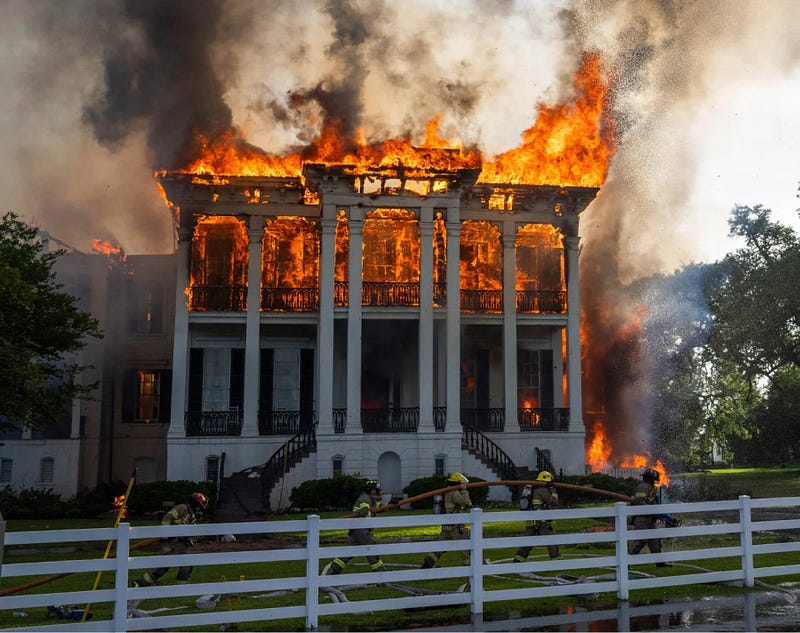
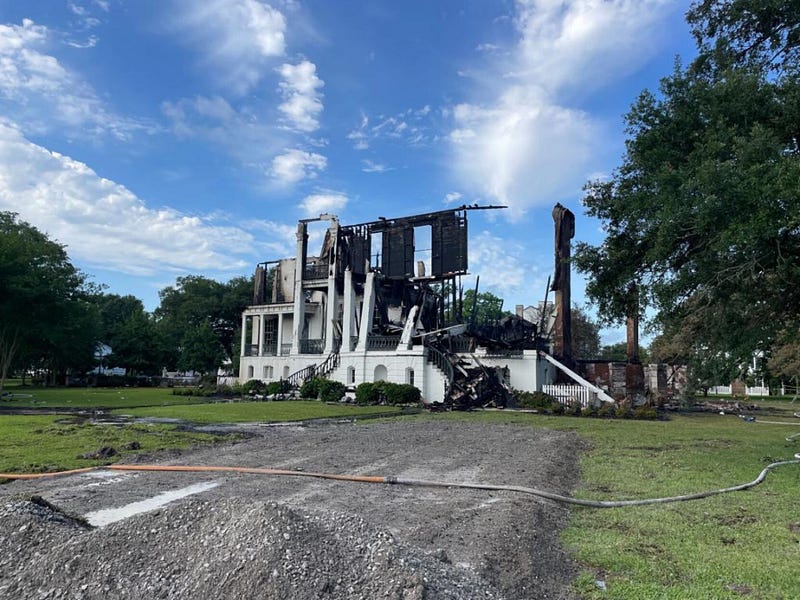
On May 15, 2025, flames erupted in the south wing of a grand white mansion in White Castle, Louisiana. The fire spread fast, overtaking the entire structure. By morning, Nottoway Plantation , often described after Belle Grove’s loss as the largest remaining antebellum mansion in the American South, was gone.
What burned that night wasn’t just a building.
It was a symbol.
It stood for Southern elegance and heritage.
It was a monument to slavery and selective memory.
This is the story of Nottoway: what it was, how it evolved, and why its destruction stirred so many different reactions.
Built by Enslaved Labor
John Hampden Randolph moved to Louisiana from Virginia with a fortune and a plan:
Build a sugar empire and crown it with a grand mansion.
He hired famed New Orleans architect Henry Howard to design what would become one of the largest antebellum homes in the South. Randolph named it Nottoway after the county in Virginia where he was born.
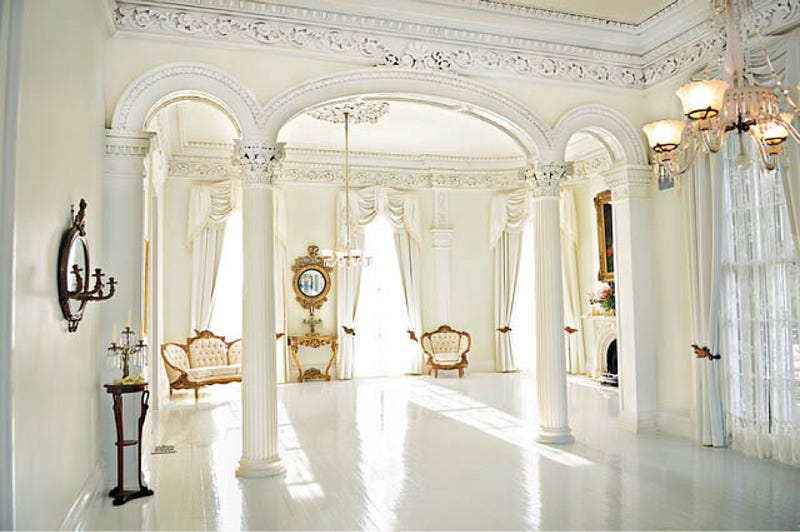
Nottoway was a 64-room colossus in Greek Revival and Italianate styles, with a 65-foot-long ballroom, gas lighting, indoor plumbing, and a 10,000-gallon copper water tank.
Randolph built Nottoway in just two years. Well, he didn’t build it himself. Enslaved laborers did: hundreds of them. By 1860, Randolph owned 155 enslaved people and controlled more than 6,000 acres.
Behind the house, the quarters for enslaved workers were arranged in rows, just far enough to stay out of sight but close enough to be watched.
After emancipation, many of them stayed on the property. Some had nowhere to go. Others had family who remained on the land. Most entered into sharecropping agreements, trading bondage for debt.
Decades later, that same house would be reborn as a tourist attraction, its grandeur preserved and its history tucked away out of sight.
From Plantation to Resort: The Reinvention of Nottoway
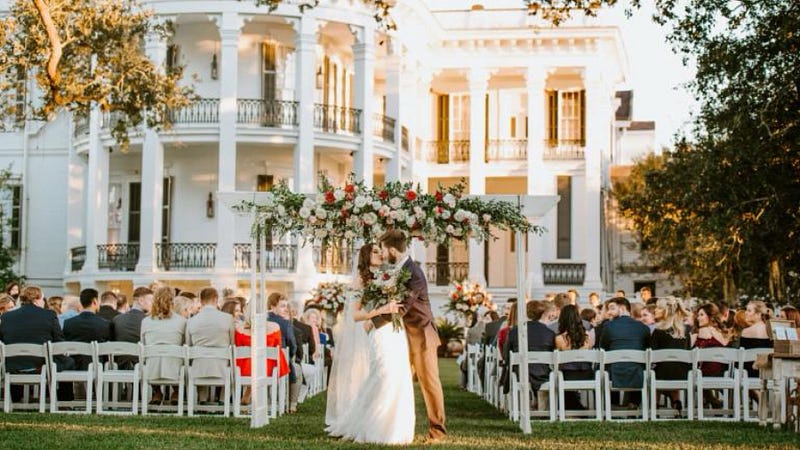
It changed hands a few times over the decades that followed, staying in the Owens family until 1977. It was sold to Arlin Dease, a history enthusiast who restored the property and opened it for tours, weddings, and overnight stays.
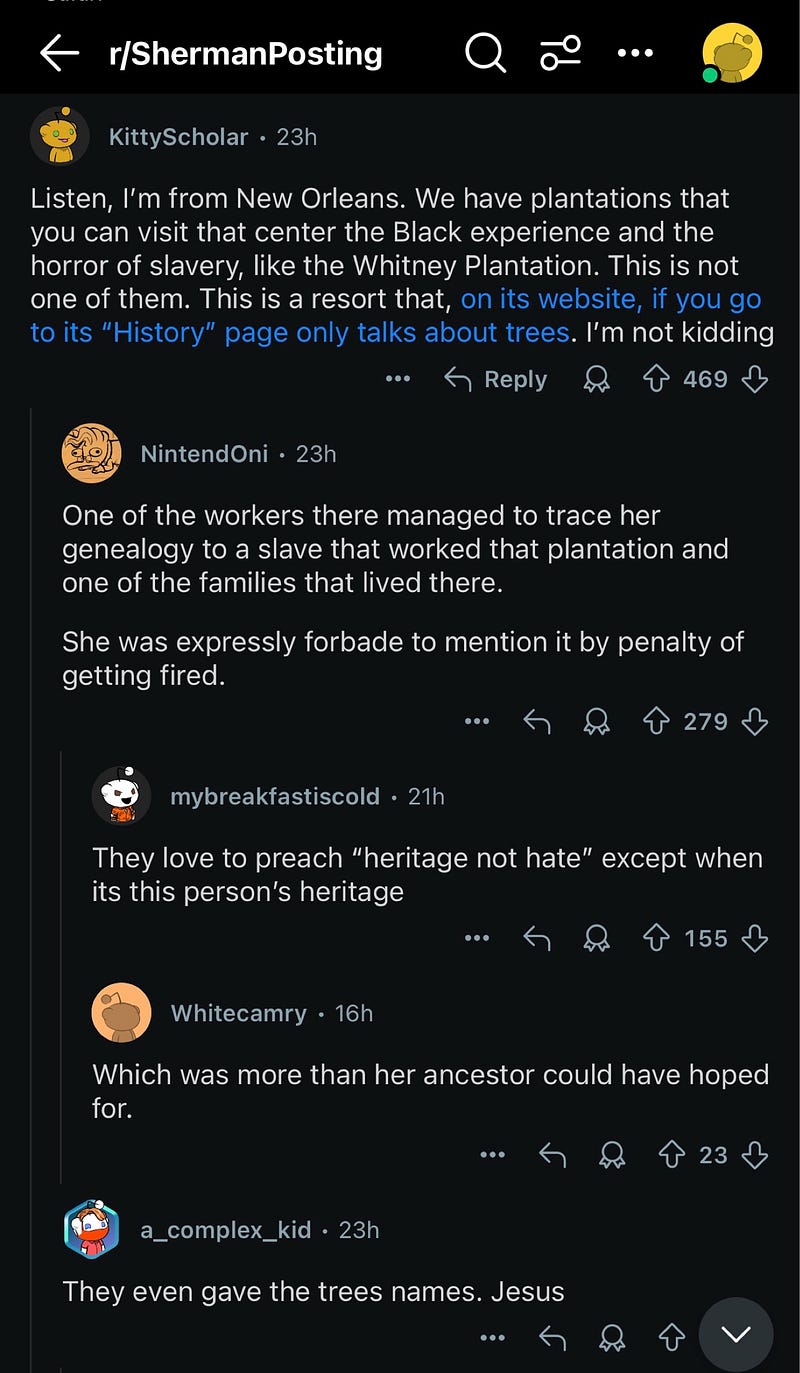
From that point forward, Nottoway was marketed not as a plantation, but as a resort. Later owners expanded it, adding guest rooms, a restaurant, and conference facilities. Tourists came to marvel at the white columns, oak-lined drive, and lavish interiors, often without hearing about the hundreds of people who lived, worked, and died on the land.
While Nottoway was added to the National Register of Historic Places in 1980, its interpretive materials often downplayed or ignored its origins. The official website’s history page focused entirely on the property’s oak trees.
Why the Nottoway Fire Divided Public Opinion
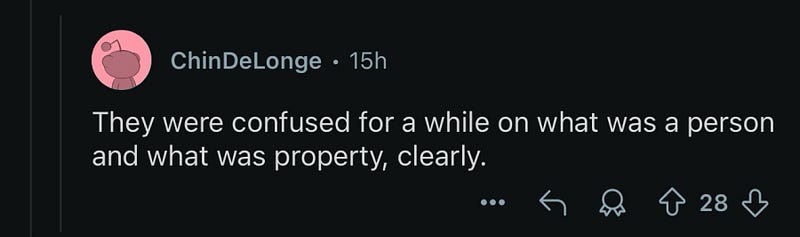
Public reaction to Nottoway’s destruction split quickly and revealed the competing meanings attached to the site.
Some people mourned the loss of a nationally significant building, a local tourism anchor, and a place tied to weddings, trips, and family memory.
Others saw the fire through a different record: the plantation economy, the people Randolph enslaved, and the way resort marketing can preserve columns while pushing forced labor to the background.
Speculation about intent circulated online, but the public record did not establish intent in the immediate aftermath. The clearer lesson was institutional: a site can be beautiful, profitable, painful, and incomplete all at once.
Plantation houses like Nottoway carry two legacies:
- The grandeur of the grounds and building
- The human cost behind them
Some sites, like the Whitney Plantation , have chosen to center the stories of enslaved people. Others leave that history in the background, if they acknowledge it at all.
What Remains After the Nottoway Plantation Fire
Even in ashes, Nottoway raises questions that won’t burn away:
- Who gets to decide how history is remembered?
- Could an antebellum mansion built by enslaved labor and later used as a wedding venue ever be neutral ground?
- What happens when we preserve the architecture but not the truth?
Local officials called the fire a loss: for the parish, for tourism, for heritage.
Others called it justice, retribution, or at least an uncomfortable kind of closure.
The building is essentially gone.
The current owner expressed interest in rebuilding, but with the structure reduced to ruins, the future of the property is uncertain.
What remains are the records, the photos, the census counts, the architecture journals, the family oral histories.
The stories people remember from when they visited, and the ones they never heard.
Nottoway is gone, but the questions around it are not.
The walls can burn. The foundation remains, and so do the arguments over what the place meant.