Who Is Pope Leo XIV? Chicago-Born Priest Becomes First American Pope
Inside the life of Robert Prevost, the Augustinian priest who made history
Early Life and Family Roots
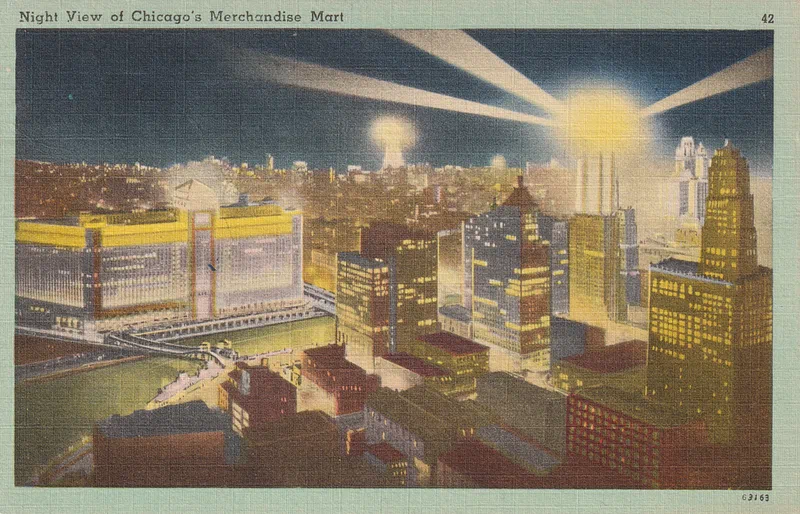
“Before Pope Leo XIV, he was just Rob Prevost, a kid from the South Side of Chicago with a daily Mass habit playing priest in the living room.”
Pope Leo XIV was born Robert Francis Prevost on September 14, 1955, in Chicago, Illinois.
He grew up in a devout Catholic household in Dolton, a working-class suburb south of the city.
His parents, Louis and Mildred Prevost, were both educators deeply involved in their local parish.
- Louis, a World War II Navy veteran and school superintendent, passed down a legacy of discipline and public service.
- Mildred, a Spanish Creole librarian and schoolteacher, helped shape her son’s deep spirituality through regular Mass attendance and community involvement.
Rob was the youngest of three brothers and is said to have taken to religion early. He served as an altar boy, sang in the choir, and even play-acted Masses at home.
Family members have recalled a childhood fascination with the priesthood, joking that he always wanted to “play church.”
According to one neighbor, his friends used to joke that he would one day become the first American pope.
Little did they know…
Education and Religious Formation
Prevost entered a minor seminary in Michigan at the tender age of 14,
and he remained committed to the priesthood throughout his youth.
“He graduated from Villanova University in 1977 with a mathematics degree, an uncommon path for a future pope.”
That same year, he began his novitiate with the Augustinian Order.
He pursued theological studies in Chicago, then continued advanced canon-law studies in Rome.
He received both a Licentiate and a Doctorate in Canon Law.
He was ordained a priest in 1982 in Rome.
By the late 1980s, he developed a reputation for his intellect, humility, and multilingual fluency.
Missionary Work in Peru
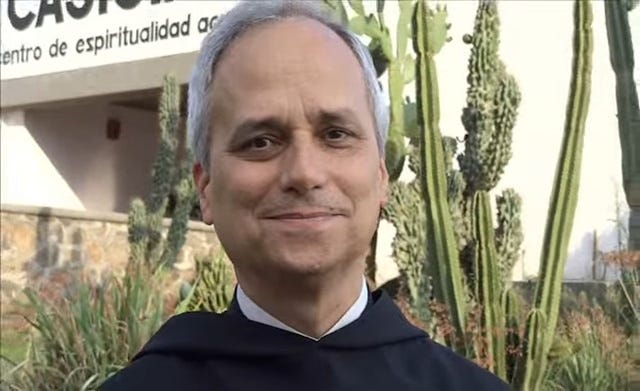
From 1985 to 1998, Fr. Prevost served as a missionary in northern Peru.
He became a beloved pastor, seminary rector, professor, and canon lawyer in the Archdiocese of Trujillo.
“He celebrated Mass in tin-roof chapels, walked to visit the sick, and led with quiet discipline.”
This chapter of his life left a permanent mark.
Prevost became fluent in Spanish and immersed in Peruvian life, laying the foundation for his later appointment as the Bishop of Chiclayo.
He became a naturalized Peruvian citizen in 2015.
Global Leadership in the Augustinian Order
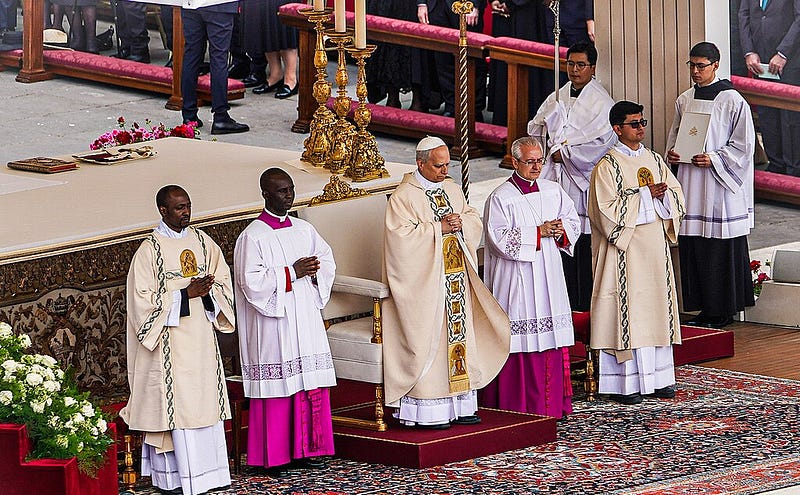
In 1999, he was elected Provincial Prior of the Augustinians in Chicago.
Two years later, his global peers chose him as Prior General of the worldwide Augustinian Order, a role he held for 12 years.
“As leader of the Augustinians, he visited friars on every continent and honed a collaborative leadership style.”
After finishing his term in 2013, he returned to seminary formation work in Chicago.
He expected a quieter chapter ahead.
Return to Peru and Rise in the Vatican
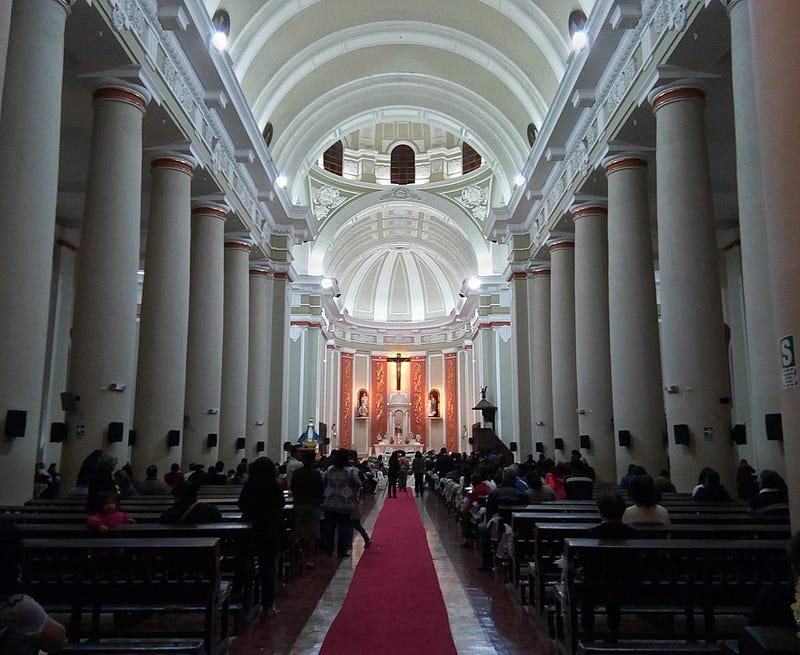
Pope Francis had other plans.
In 2014, the Pope appointed Prevost as Apostolic Administrator of Chiclayo, Peru, later naming him bishop.
“His episcopal motto ~ ‘In the One, we are one’ ~ reflected his emphasis on unity and synodality (walking together in the faith).”
He was a leader in Latin American circles and served as vice president of the Peruvian Bishops’ Conference.
In 2023, he was called to Rome to lead the Vatican Dicastery for Bishops, one of the Church’s most influential offices.
He was made a cardinal later that year.
As Prefect, he oversaw the appointment of bishops worldwide and participated in high-level reforms aligned with Pope Francis’s priorities.
Papal Election and Inauguration
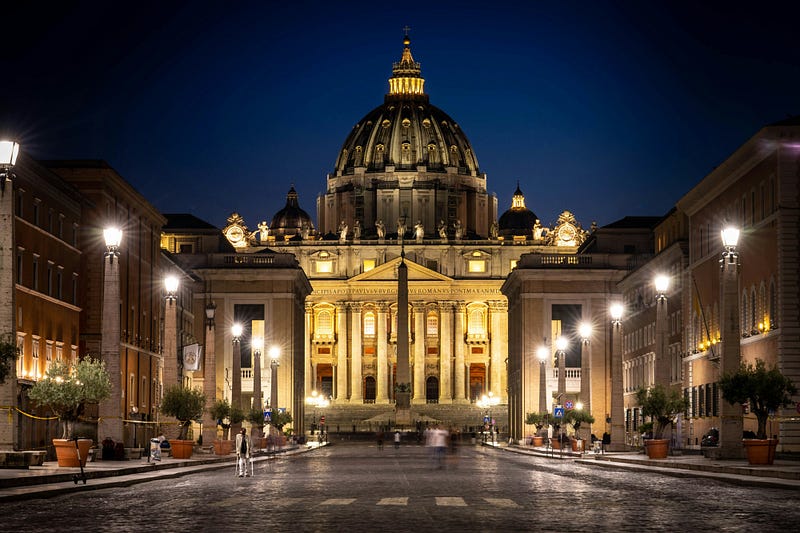
Pope Francis passed away in April 2025.
During the conclave that followed, Prevost was not widely seen as a frontrunner, largely because he was American.
But after four rounds of voting, on May 8, 2025, he was elected the 267th pope, choosing the name Leo XIV.
“He wore a plain white cassock and asked the crowd to pray for him, a gesture of continuity with his predecessor’s humility.”
He became the first American, the first Augustinian, and the second pope from the Americas.
In his first blessing from the balcony of St. Peter’s Basilica,
he greeted the world simply:
“Peace be with all of you.”
Timeline of Key Life Events
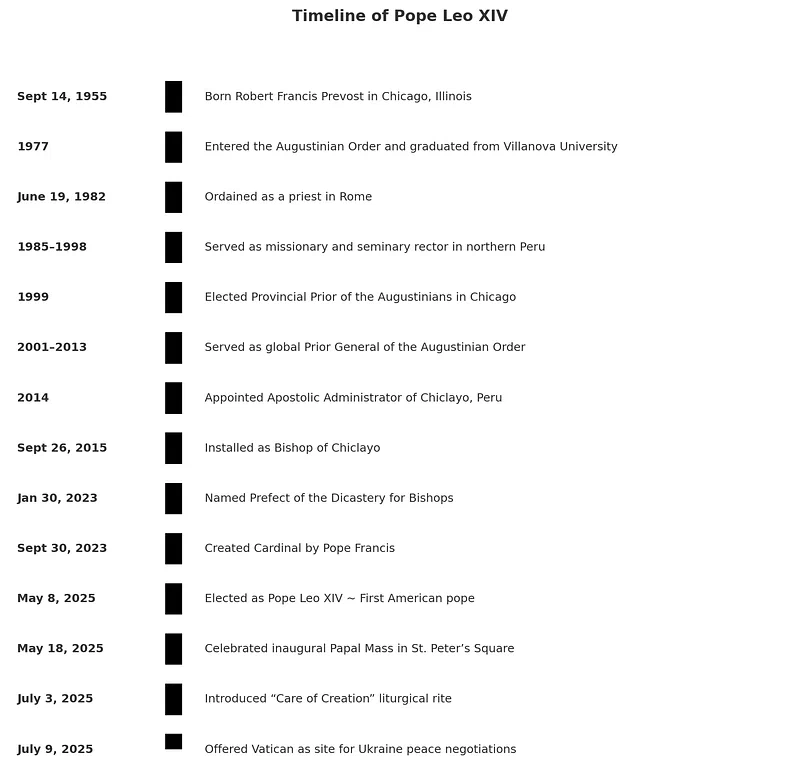
The main dates are clear: Chicago birth in 1955, Augustinian formation in the late 1970s and early 1980s, missionary and formation work in Peru, Augustinian global leadership from 2001 to 2013, episcopal service in Chiclayo, Vatican service beginning in 2023, and election as Pope Leo XIV on May 8, 2025.
Early Papacy: Climate, Peace, and Public Presence
Since taking office,
Pope Leo XIV has emphasized two key themes:
- Climate action
- Peacemaking
He introduced a new liturgical rite focused on environmental care and celebrated a public “Mass for Creation” while on retreat at Castel Gandolfo.
“Today, we live in a world that is burning, both from global warming and from armed conflicts.”
In homilies, he has warned bluntly about climate inaction
referring to “a world that is burning.”
On diplomacy, he offered the Vatican as a neutral host for peace negotiations in Ukraine.
He has also revived public traditions like papal retreats and informal catechesis, using them as platforms for education, ecological dialogue, and moral leadership.
Character and Style
Pope Leo XIV is described as gentle, steady, and principled.
He is fluent in multiple languages and comfortable among both heads of state and the poor.
As a former missionary, he prioritizes proximity over prestige.
“You cannot wash the feet of the poor from a palace.”
He’s also known for having trademark “humble humor.”
At a Vatican reception, he joked with Latin American cardinals:
“Careful now, I have to remain neutral, I’m Pope!”
Even in high office,
his friends call him “Padre Bob.”
What Comes Next
Leo XIV has signaled that his papacy will be both pastoral and reform-minded.
He supports greater lay participation, commissioned ethical reviews of Vatican finances, and hinted at exploring digital ethics in the future.
At the start of his tenure, his approach was clear:
“Bridge divides, walk humbly, act boldly.”
His background in both law and science, paired with years of pastoral experience, suggests he may be uniquely positioned to tackle complex issues like artificial intelligence, ethics, and Church transparency.
Whether addressing the global climate crisis or quietly consoling prisoners,
Pope Leo XIV appears intent on using his office:
Not for grandeur, but for service.