Rethinking Invasive Species Management in Florida
Why Florida keeps spending millions managing invasives without much to show for it
Florida spends millions fighting species it will never get rid of, while the ones it could stop slip right past.
They call it a python hunt, but it feels more like a safari.
Florida men in airboats scan the sawgrass for the shimmer of scales. Somewhere in the muck, a 15-foot predator lies coiled, invisible. One wrong step, and the apex of the Everglades might wrap around your leg.
Now picture something smaller.
A floating heart-shaped leaf on a pond. Pretty and harmless-looking. But beneath the surface, a creeping vine chokes off oxygen, blocks sunlight, and slowly turns a thriving waterway into a dead zone.
Both are invasive species.
One grabs headlines.
The other slips by unnoticed until it is everywhere.
So here is the question:
Why do we always wait until these species become disasters before we do something about them?
Before we get to that, let’s make sure we are talking about the same thing.
What Even Is an Invasive Species?
There are a lot of plants and animals in the U.S. that did not start here.
Tomatoes? Native to South America.
Lettuce? Ancient Egypt.
Cows? Brought over by European settlers.
These are all non-native species, organisms that did not evolve in this ecosystem but were introduced by people over time.
Not all non-native species are bad.
In fact, most of our food is non-native.
But an invasive species is a different story. According to the federal government , a species becomes invasive when it meets two criteria:
- It is not native to the ecosystem.
- It causes, or is likely to cause, harm to the economy, the environment, or human health.
That last part is key.
Not every outsider is a threat. But when a new species spreads aggressively, disrupts natural systems, crowds out native plants and animals, or damages infrastructure, it crosses the line.
Invasive species are like uninvited guests who show up to the party anyway, eat all the food, knock over the furniture, and set fire to the rug.
How Florida Became Invasive Ground Zero
Florida is one of the most biologically rich and vulnerable places in the country.
Its ecosystems are wild and diverse:
- The Everglades, with their slow-moving river of grass.
- Thousands of freshwater springs that bubble up from underground.
- A vast coastline dotted with mangroves and estuaries.
- Lakes, rivers, and wetlands that weave through the interior.
It is beautiful. It is delicate. And in the last hundred years, we have re-engineered a huge chunk of it.
In the early 1900s, Florida’s wetlands were seen as obstacles to agriculture and development.
So engineers built canals, levees, and drainage systems to “reclaim” land. Entire ecosystems were drained or rerouted.
The Everglades lost more than half its original footprint.
As the state’s human population boomed, so did the number of ways invasive species could get in.
Here is how many of them arrived:
The Pet and Aquarium Trade
This one is infamous.
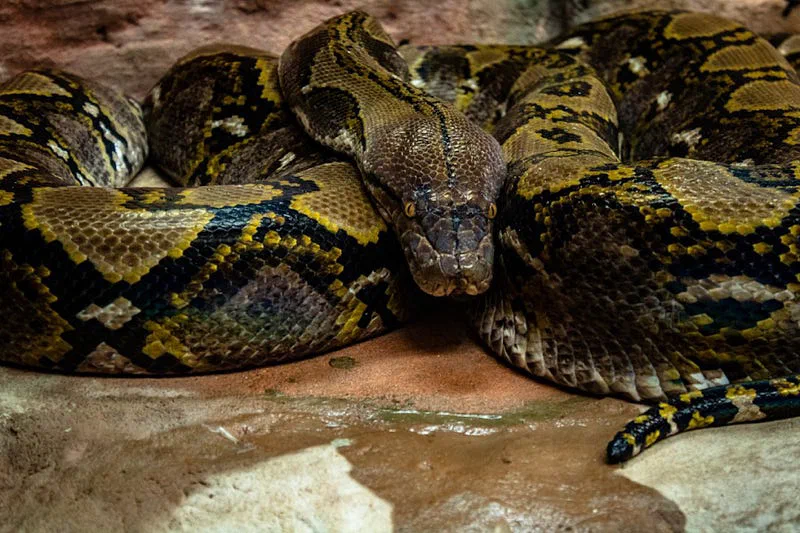
Burmese pythons, native to Southeast Asia, were popular in the exotic pet trade.
Some escaped. Others were released when they got too big to handle. They found a perfect home in the Everglades and started breeding.
Same with lionfish from aquariums, invasive snails, and dozens of other fish and aquatic plants.
Intentional Introductions
Some species were brought in on purpose.
Melaleuca trees, native to Australia, were planted in South Florida in the early 20th century to dry out wetlands. It worked a little too well.
Melaleuca spreads fast, changes soil chemistry, and is extremely difficult to remove once established.
The result? Dense, dry stands where there used to be one-of-a-kind natural Florida wetlands.
Global Trade and Accidental Invaders
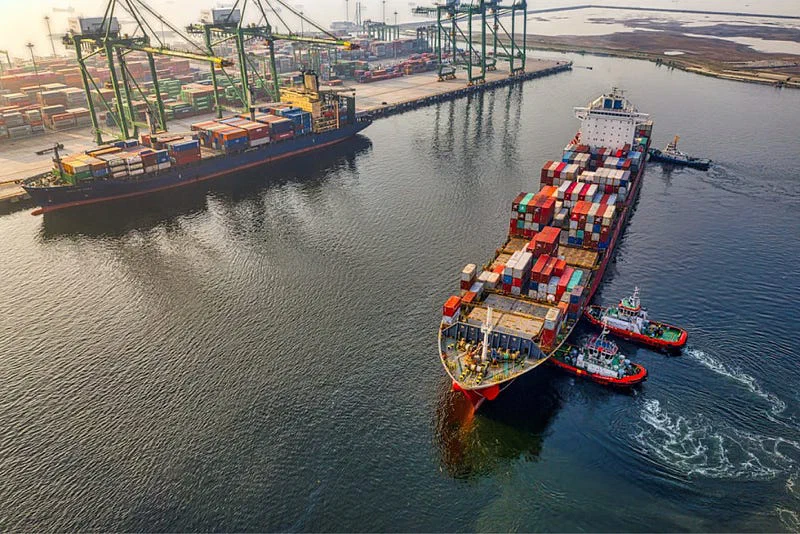
Shipping ports are another pathway.
Ballast water from international cargo ships can carry microscopic larvae, eggs, or seeds. Insects hitch rides on wooden pallets or in shipping containers. Once they are released into the wild, some of them take off.
Today, Florida is among the most invasion-prone states in the continental U.S., and the problem is not slowing down.
What Florida Is Getting Right and Wrong
Florida is not ignoring the problem. Far from it.
The state has spent decades building invasive species programs, especially for aquatic invasives.
There are airboat crews, herbicide contractors, early detection networks, university researchers, and public education campaigns.
Agencies like the Florida Fish and Wildlife Conservation Commission are out there every day trying to slow the spread.
But here is the rub:
Most of this work happens after the invasion is already out of control.
We focus the most money and attention on species that are already everywhere, the ones causing daily headaches, grabbing headlines, or threatening the tourism industry.
And that is where the strategy breaks down.
Because when it comes to invasive species:
Timing is everything.
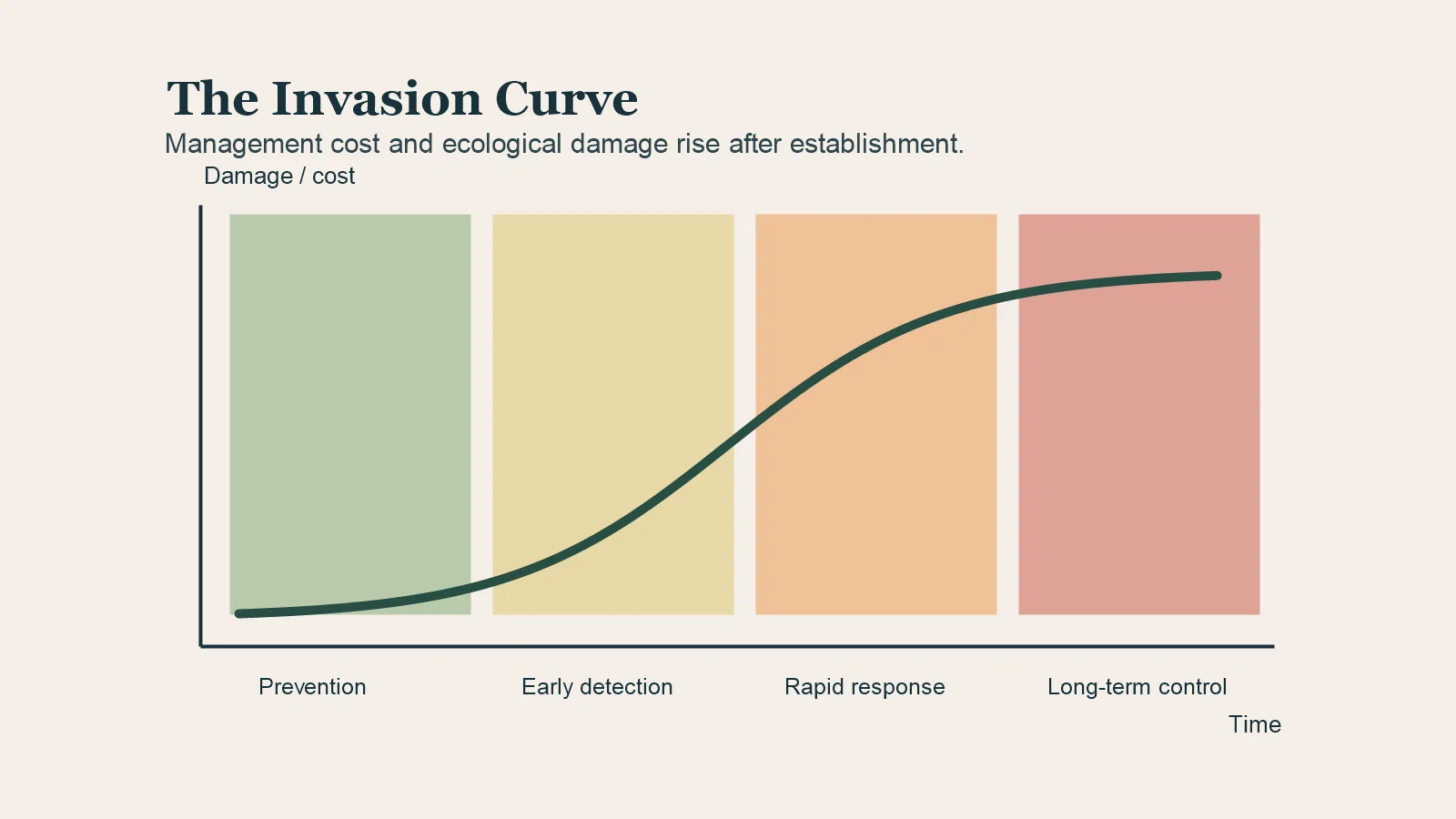
OIP diagram | Prevention and early response are cheaper than long-term control after an invasive species is established.
The Invasion Curve
In Greek mythology, Sisyphus was punished by the gods for being too clever.
His eternal sentence?
Push a massive boulder up a hill, only to watch it roll back down every time he got close to the top.
No matter how hard he worked, he could never finish the job.
That is what invasive species management becomes when we fail to act quickly.
Once a species is fully established, spread across watersheds, reproducing quickly, and disrupting ecosystems, there is no endgame.
You are not fixing the problem.
Florida has entire crews whose full-time job is to manage species like hydrilla and lionfish, knowing full well the job will never end.
Spray.
Trap.
Repeat.
The boulder rolls back down the hill.
But here is the thing:
We do not have to play Sisyphus.
The same curve explains why early-phase invasions are the real prize.
In the early phase of an invasion, a new species might only be in one water body.
One canal. One ditch.
At that point, the fix is relatively cheap and simple:
A diver, a net, a policy change, and maybe a few thousand dollars.
But with each passing month, the costs go up and the odds of success go down.
Invasions have four management stages:
- Prevention
- Early detection and rapid response
- Containment
- Long-term control
If we act early, we can change the story.
When we wait too long, we inherit the curse.
Proactive management is about catching that boulder while it is small, before it gains momentum.
Case Study 1: Burmese Pythons vs. Nile Monitors
If you know one invasive species in Florida, it is probably the Burmese python. These snakes have become the poster child for ecological disaster. They are huge, hard to find, and already established. Studies have shown severe native-mammal declines in parts of the Everglades where pythons are present.
But the thing about pythons?
We missed our shot. By the time we took them seriously, they were already breeding across hundreds of square miles.
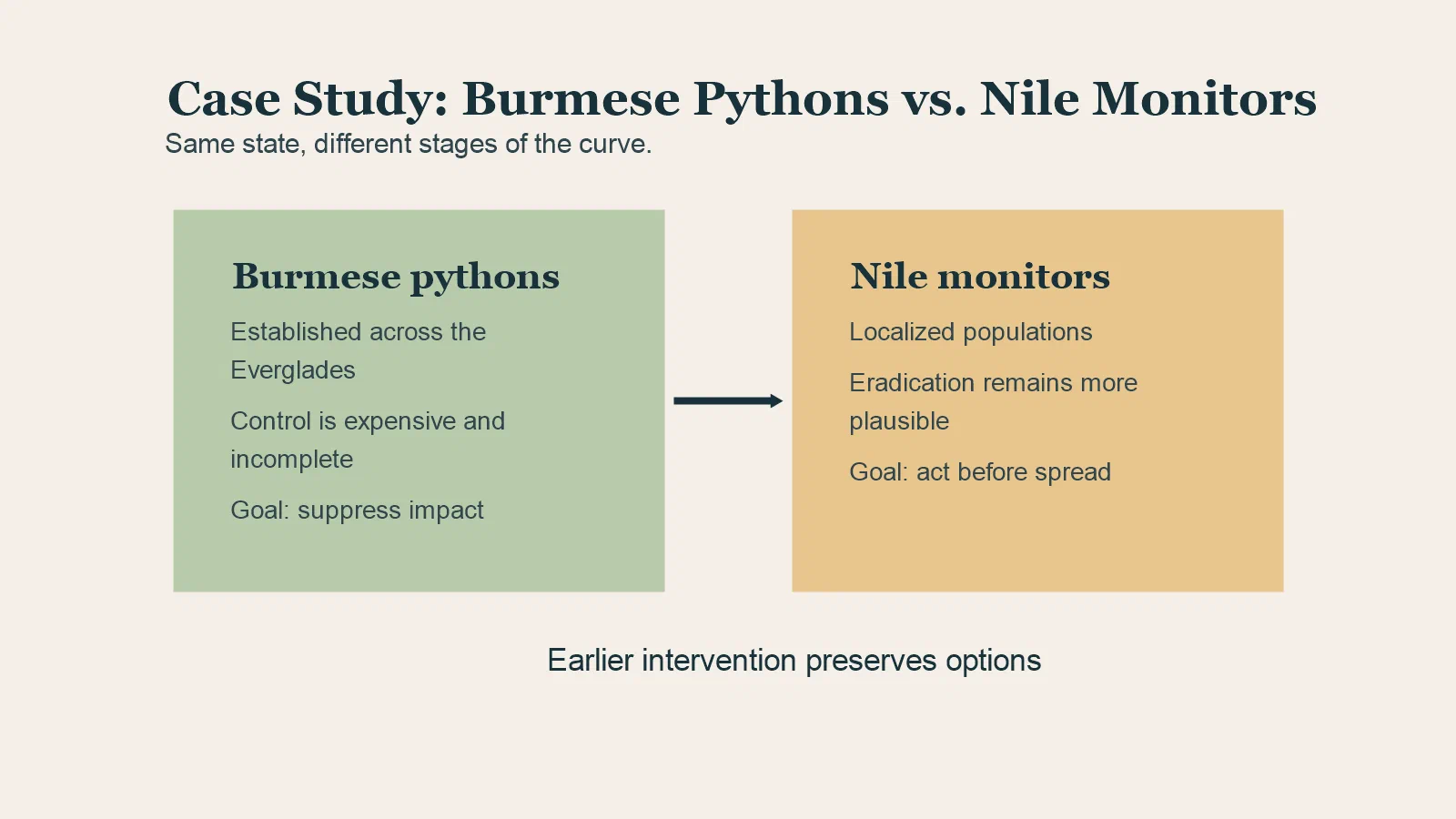
So we hunt them. Track them. Put bounties on them. We will be doing that indefinitely because there is no realistic path to eradication. Just maintenance.
Now let’s talk about another invasive reptile, one you may not have heard of:
The Nile monitor.
It is a large, non-native lizard from Africa. It can prey on eggs, birds, and small mammals, and it moves through water and land well enough to worry managers.
But here is the key difference:
Nile monitors are still in a limited range.
A few pockets in South Florida.
Some scattered sightings elsewhere.
FWC and regional partners are monitoring them, so managers have better information and a narrower target than they had with pythons. If Florida acts early enough, maybe it can keep the problem from becoming another Everglades-scale maintenance trap.
Case Study 2: Hydrilla vs. Crested Floating Heart
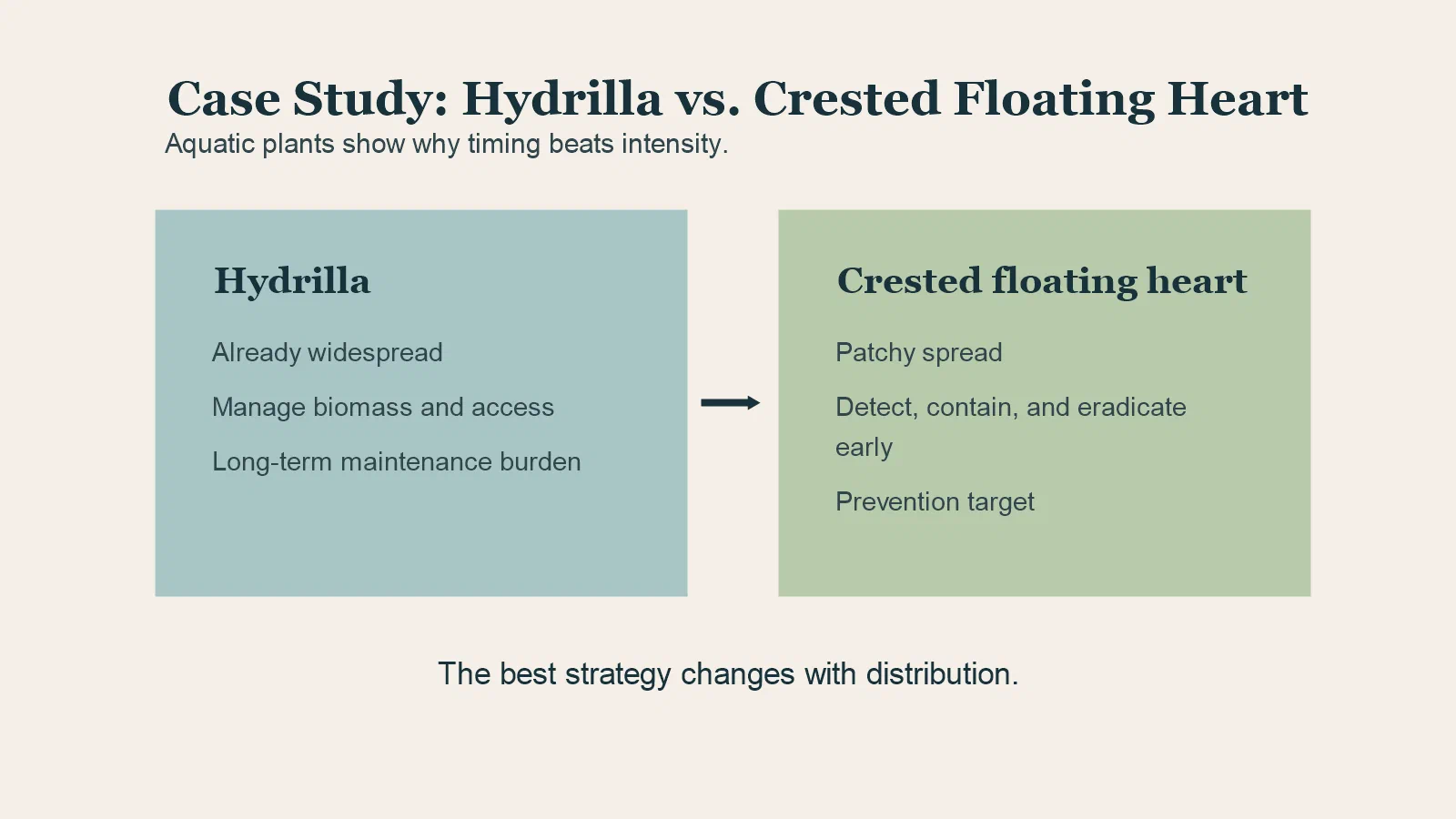
If you fish or boat in Florida, you have probably tangled with hydrilla. This submerged aquatic plant is everywhere, clogging lakes, blocking boat ramps, and jamming up stormwater systems.
Florida spends millions every year just to keep it under control.
Hydrilla is in maintenance mode.
We are not going to get rid of it.
Crested floating heart has not gone statewide yet.
It is beautiful: big, white flowers with frilly edges. But do not let the looks fool you.
It spreads fast and forms thick surface mats that block out sunlight and damage aquatic ecosystems.
Right now, it remains a localized threat in parts of North and Central Florida. But it is moving, and early control efforts compete for money and staff with species that already dominate the budget.
Case Study 3: Lionfish vs. Zebra Mussels in Retail
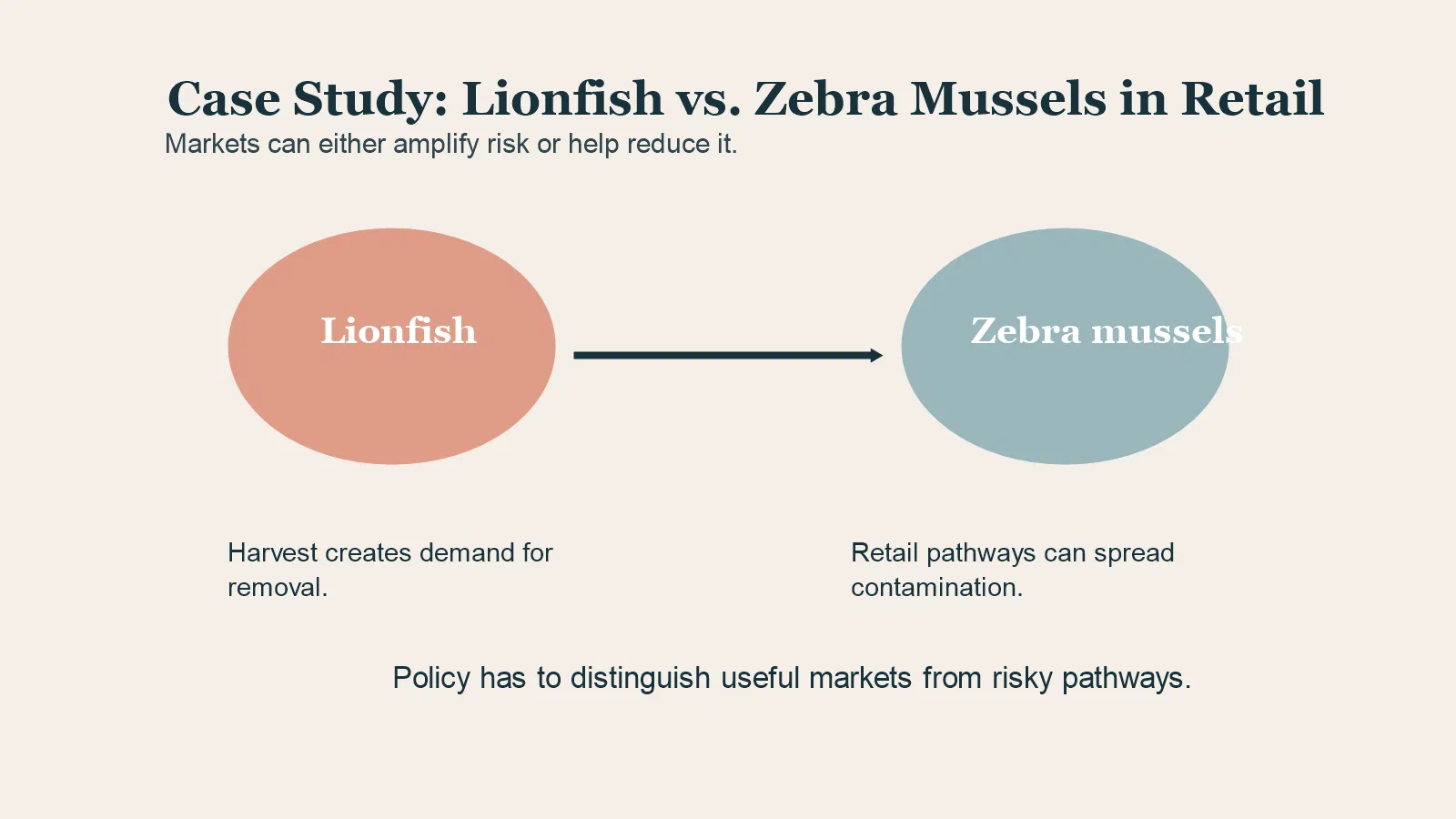
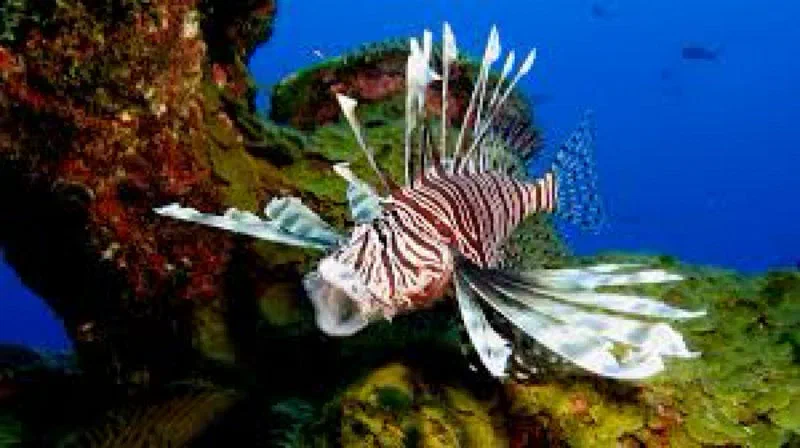
The lionfish is the exotic villain of Florida’s reefs. Striking red and white stripes. Venomous spines. No natural predators in the Atlantic.
Lionfish eat many smaller reef species and reproduce quickly.
They have spread up and down the East Coast and throughout the Gulf of Mexico.
We will never get rid of them, but we can manage them. And because they are flashy, dangerous, and dramatic, they have attracted attention.
There are lionfish derbies, awareness campaigns, and seafood pushes promoting “Eat ’em to beat ’em.”
But here is a quieter success story you might have missed.
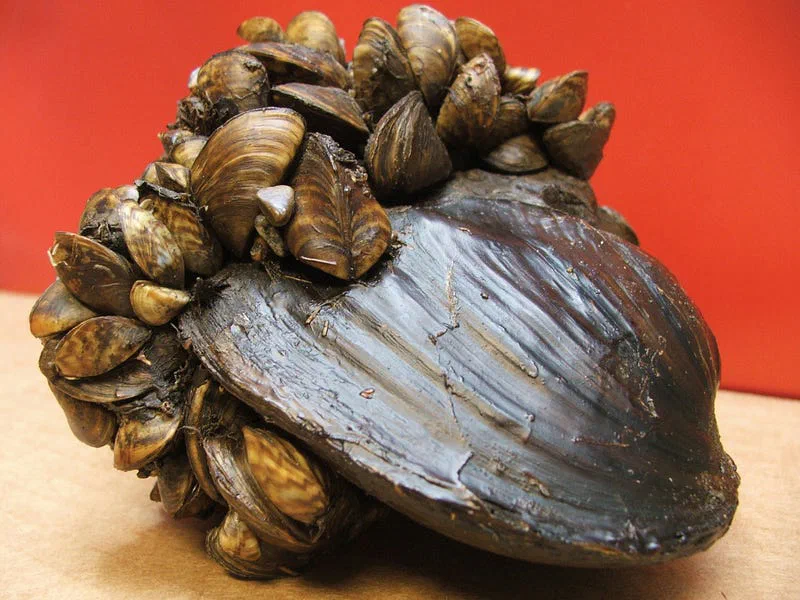
In 2021, someone noticed zebra mussels attached to decorative moss balls sold in aquarium stores.
Zebra mussels are one of the most destructive aquatic invaders in the country, clogging pipes, damaging water systems, and crowding out native species.
Thanks to that early warning, federal and state agencies acted fast.
They pulled the products from shelves, launched a coordinated response, and likely prevented a major new infestation.
The point here?
Prevention works. But it only works if someone notices and cares enough to act.
Why We Keep Fighting the Wrong Battles
If early action is cheaper, smarter, and more effective, why don’t we do it?
A few reasons:
Politics
Policymakers fund the problems that are loudest, not the ones that are easiest to solve.
It is hard to get support for a species no one has heard of yet, especially when budgets are tight.
Public Attention
People care about pythons and lionfish because they look scary or exotic.
You cannot rally public support around a floating plant or a tiny snail that no one has seen before.
Siloed Agencies
Federal, state, and local agencies often work in isolation. They have different priorities, funding streams, and mandates.
Coordination is tough. Strategy gets fragmented. The result is that high-value prevention efforts often lose out to low-return maintenance.
What Needs to Change
If we want to get smarter about invasive species, we need a strategic shift.
- Move money upstream. Do not just fund cleanup crews and long-term maintenance. Fund the scientists, spotters, and early responders.
- Reward prevention. Right now, there is little political or financial incentive to stop a problem before it starts. That has to change.
- Scale what works. Big intergovernmental partnerships, especially federal-state cost-share models, could stretch limited budgets further and help states like Florida act early, not late.
This is not about doing more.
It is about doing better.
Hope Lies on the Frontier
Florida is not failing to manage invasive species because it is doing nothing. It is failing because too much energy and money go toward species that are already entrenched, where success is no longer measured in wins, but in how slowly we lose.
But we can flip that script.
There is time to act on the frontier, with species that have not yet taken hold, ecosystems that remain protectable, and budgets that can stretch further.
That is how you get more risk reduction per dollar.
And that is the future of invasive species management.
We can keep pushing boulders, or we can act before they start rolling down the hill.