The Risk Management Buffet
Making Strategic Choices When Everything’s on the Table
Imagine you’re at an American buffet ~ something like Golden Corral . You walk in hungry, and you’re surrounded by endless options.
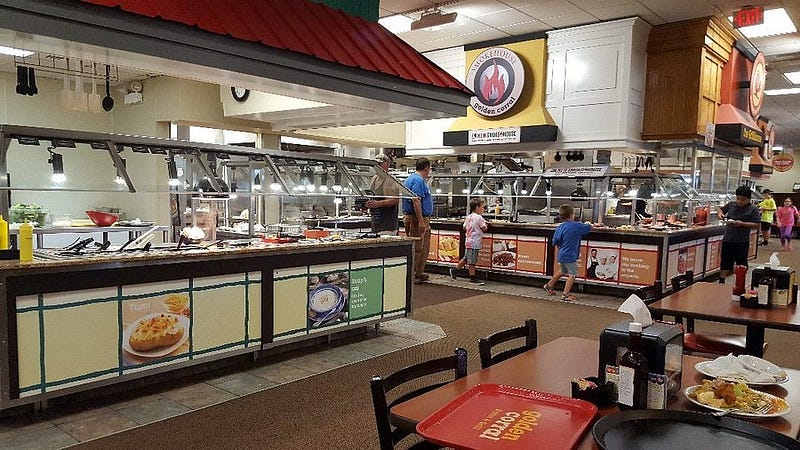
The salad bar is lined with leafy greens (nature-based solutions), the carving station offers heavy entrées (hard structures), and there’s a dessert counter piled high with sweets (non-structural measures, mitigation for environmental effects).
Each different plate you could make is a unique plan of action ~ what we’d call an RMO, or Risk Management Option.
What’s an RMO?
A Risk Management Option (RMO) is a plan or strategy chosen to reduce, transfer, or accept risk. RMOs balance cost, effectiveness, and the decision-maker’s risk appetite.
Now, here’s the problem: there are fifty different dishes under the heat lamps, and you’re not sure which ones are good.
Some are fresh out of the oven; others have been sitting there for hours ~ drying out and crusting up.
The question is simple: what are you putting on your plate?
And if you’re smart, you know better than to fill your plate on the first pass.
You start small ~ only grab the stuff you know you’ll like, while keeping an eye on the buffet to see what’s changing.
That’s the heart of good risk management.
We don’t commit everything to one strategy before we’ve seen the spread, and we leave a little bit of room for potential opportunities down the line.
What is Risk Appetite?
Your “risk appetite” is how hungry you are for uncertainty ~ how much risk you’re willing to tolerate in pursuit of reward. Overfill your plate and you might end up wasting a lot of your food.
Understanding the Menu
Each dish at the buffet represents a control measure ~ something we can do to change the likelihood or consequence of a bad outcome.
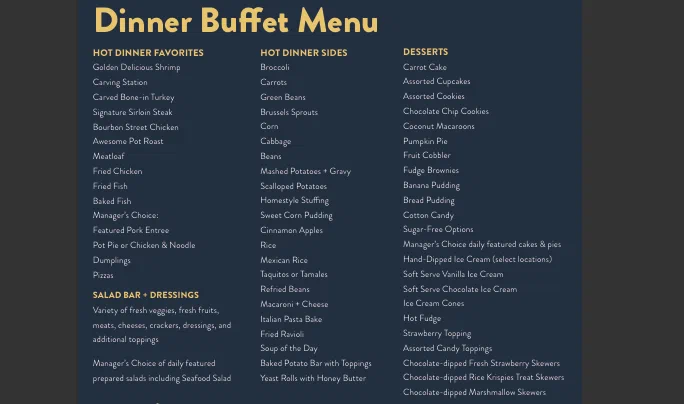
A spoonful of mashed potatoes might be a minor regulatory change. A scoop of salad could be a public education campaign. A slice of steak could be a major capital investment in infrastructure.
You can’t eat everything, and you can’t try everything at once. You have limited appetite, limited time, and only one plate at a time.
That means you need to make a deliberate choice.
The buffet doesn’t tell you what’s best ~
It just lays out what’s possible.
That’s the job of a risk manager: turning possibility into preference.
Risk Managers are Picky Eaters
The Risk Buffet Strategy
1. Understand your appetite.
Know what level of risk you’re comfortable with before you start piling on strategies. Some risks need a full plate. Others are fine with a side salad. How hungry are you?
2. Understand your options.
Look at what’s available ~ all the different individual actions you’re considering. Know which dishes taste the same, clash, and complement each other. Read the menu.
3. Look for the fresh food.
Sometimes new research, new technology, or a change in context refreshes an old dish. Keep an eye out for hot food.
4. Make your plate.
Build a combination that fits your appetite and budget. Don’t let the sight of other people’s plates drive your choices. We all have different ideas about nutrition. Serve it up.
5. Keep one eye on the kitchen.
Risk environments change. Threats evolve. Ingredients go bad. Don’t get blindsided by something unexpected. Pay attention to the restaurant.
6. Remember: once you eat something, you can’t put it back.
Every decision consumes time, money, and political capital. But you can always clean your plate and try again with a better combination next round. Go get seconds!
Monitoring and Adjustment
In risk management, “monitoring” means periodically checking back to find out how well your plan is working ~ and how well your monitoring strategy is keeping track of everything. When the situation changes, or when the servers bring out a new dish, you reassess and reevaluate.
The Art of the Second Plate | Evaluating Success
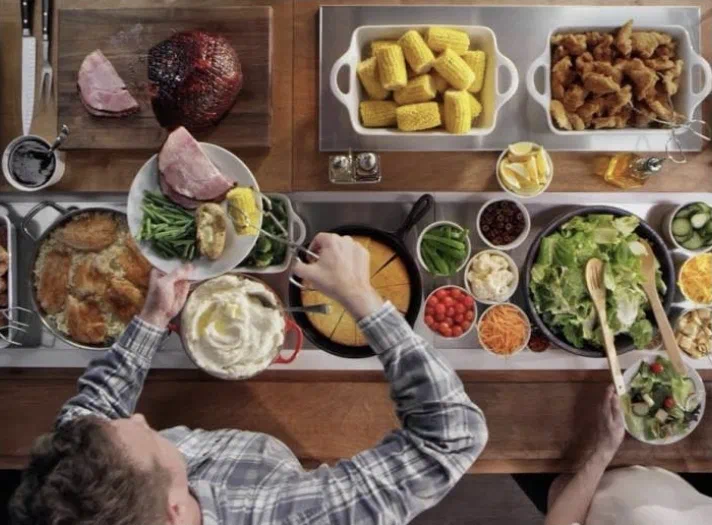
Eventually, we all go back for seconds.
Isn’t that one of the best things about buffets? The promise of a second round ~ a chance to look at the options again and make a new plate.
Good risk management doesn’t chase perfection. It’s curious and flexible.
Recognize when it’s time to clean off the plate and start fresh. Sometimes that crab rangoon has less crab than we thought. Sometimes you see them bring out a tray of hot, steamin’ ’n’ crispy fried chicken. Get a second plate.
There’s an art to managing risk ~ the art of the buffet.
Success isn’t sampling everything or eating as much as possible ~